

(3 Minutes Read)
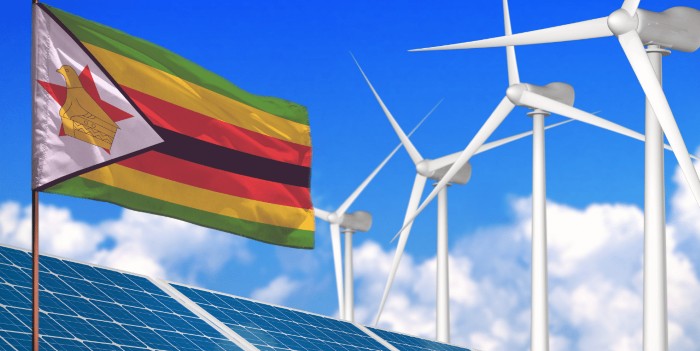
The Zimbabwean government has stepped up its diplomatic and investment initiatives in Japan, aligning its energy ambitions with Africa’s wider green transition agenda. Confronted by persistent electricity shortages—producing only 1,200 to 1,500 megawatts daily against a demand of 1,800MW—Zimbabwe is actively seeking Japanese investment in its power generation, transmission, and renewable sectors to ease its reliance on costly energy imports.
Energy Minister July Moyo, accompanying President Mnangagwa at the Tokyo International Conference on African Development (TICAD), held key discussions with Japanese officials and toured factories of major energy firms like Toshiba and Hitachi Energy. Moyo emphasized the potential for Japanese expertise to stabilize Zimbabwe’s grid and enhance infrastructure, while smaller Japanese firms interested in solar technologies were also identified as promising partners.
Zimbabwe’s lithium reserves further boost its relevance in Africa’s green energy supply chain, positioning it as a key player in the continent’s sustainable energy future. At TICAD, Zimbabwe—alongside Nigeria—was selected to address African energy policy, signaling its growing influence in regional power sector discourse.
Read Also:
This outreach reflects Harare’s strategy to diversify energy investments and attract international collaboration beyond traditional aid models. By engaging Japan, Zimbabwe is not only addressing its immediate electricity challenges but also working towards its goal of achieving clean, reliable, and affordable energy by 2030.