


(3 Minutes Read)
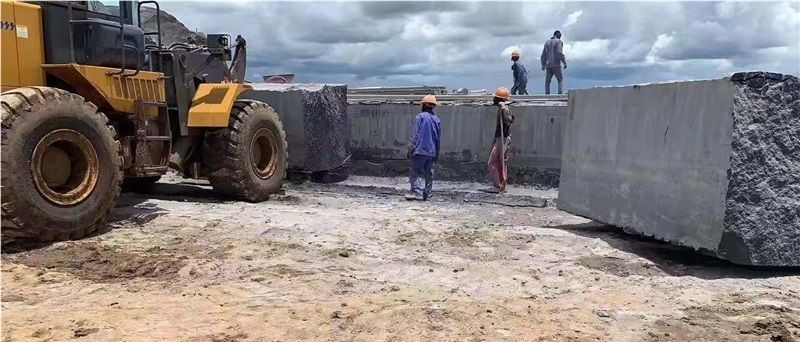
The Government of Zimbabwe has announced that quarry and granite mining operations will now be exclusively reserved for Zimbabwean citizens. This move expands the country’s indigenisation and local economic participation policies.
During a post-Cabinet media briefing in Harare, Minister of Information, Publicity and Broadcasting Services, Jenfan Muswere, said the decision aligns with the Indigenisation and Economic Empowerment Act. The Act already designates several sectors—such as artisanal mining and tobacco grading—as exclusive to indigenous Zimbabweans.
Muswere explained that the new measure aims to streamline operations in reserved sectors while maintaining a balance between national development priorities and a favorable investment climate. By tightening control over strategic sub-sectors like quarrying and granite extraction, the government hopes to ensure that local communities benefit more directly from the exploitation of natural resources in their regions.
Under this framework, mining companies will also be required to take a more active role in fostering rural industrialisation through the establishment of community economic empowerment trusts. These trusts, supported by government and private sector partnerships, are expected to develop industrial parks, promote revenue sharing, and channel mining profits into broader socio-economic development.
Zimbabwe, one of the leading producers of black granite in Southern Africa, holds major deposits in Mashonaland East, Mashonaland Central, and Manicaland. Although granite exports—especially to Europe and Asia—generate significant foreign currency, concerns have persisted about the limited benefits reaching local communities affected by extraction activities.
This policy shift reflects a broader trend across Southern Africa, where governments are increasingly asserting domestic control over extractive industries. Similar strategies have been implemented in Botswana, focusing on diamond beneficiation, and in Tanzania, where citizen and state participation in mining ventures has been expanded.
Read Also;
https://trendsnafrica.com/zimbabwe-mining-industry-to-grow-7-in-2025-mining-chamber/
While critics warn that such restrictions could discourage foreign investment and limit access to capital and expertise, supporters argue that sustainable and sovereign resource management demands that local populations share fairly in the wealth generated by finite natural assets.
Zimbabwe’s approach embodies a Pan-African vision of resource governance—one that prioritises local empowerment, equitable benefit-sharing, and the industrial development of Africa’s mineral-rich economies.