

(3 Minutes Read)
This generational gap fuels youth frustration online and on the streets: the leaders who make decisions for their countries are often more than four decades older than the majority of citizens.
Alassane Ouattara of Ivory Coast and Paul Biya of Cameroon have just extended their presidential mandate following their electoral victories in October this year. Paradoxically, these are happening in a continent where the average mean age of people is below twenty years. Generational gap between ruling classes and rules classes is widening.
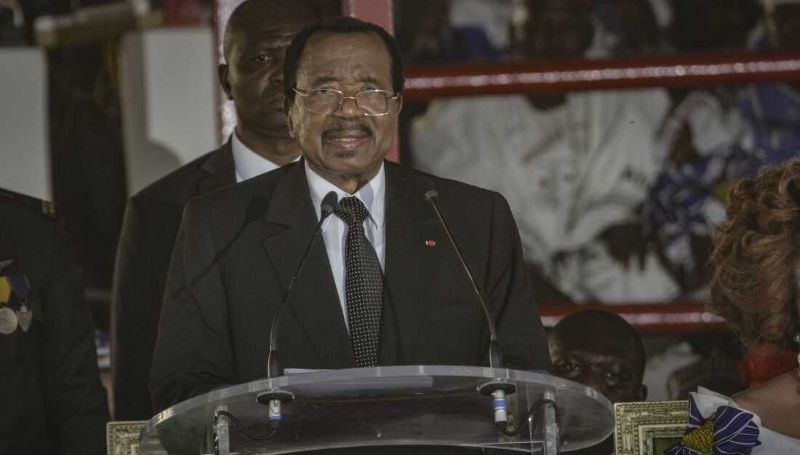
Biya, 92, won Cameroon’s presidential election with 53.66% of the vote, securing an eighth term in office, according to the constitutional council. His main rival, Issa Tchiroma Bakary, claimed he had actually won, alleging fraud and reporting 54.8% support from partial voter data. The disputed results have triggered protests across Cameroon, with clashes in cities like Douala and Garoua.
In Ivory Coast, Ouattara, 83, was re-elected with 89.77% of the vote. Major opposition figures, including former President Laurent Gbagbo, were barred from contesting, raising questions about the competitiveness of the election.
Turnout was low, and critics called the process a “political heist,” reflecting frustrations among younger Ivorians who see their voices largely excluded from the political conversation. Both presidents are in their 80s and 90s and have been in power for decades, Biya since 1982, Ouattara since 2011.
This generational gap fuels youth frustration online and on the streets: the leaders who make decisions for their countries are often more than four decades older than the majority of citizens. In Cameroon, university students staged small protests in Yaoundé and Douala, calling for fair elections and generational change. These movements are mostly digital-first, but they reflect a broader sentiment: young Africans want leaders who reflect their demographics and understand their challenges.
This story appears to be more common in Africa due to its youthful populations, but aging leadership is a global phenomenon. China’s Xi Jinping and Russia’s Vladimir Putin, both in their 70s, have retained power for long. Even in very established democracies, questions of age and capability, such as around U.S. President Joe Biden, are part of public discourse which sometimes influence votes
However, Africa’s case is extreme because the age gap is coupled with electoral systems where opposition is limited, making generational change politically challenging. Several factors help explain why leaders like Biya and Ouattara remain in power: Both presidents’ parties have strong influence over electoral commissions, security forces, and state media. Aside this, Legal frameworks, Constitutional changes and legal interpretations have allowed both to extend terms beyond what was previously possible.
Read Also:
https://trendsnafrica.com/cameroon-elections-another-term-for-92-year-old-paul-biya/
Supporters of both presidents have argued that continuity provides stability, particularly in countries with histories of civil unrest. Disqualification of major rivals and weak political alternatives create a lopsided electoral landscape.