

(3 Minutes Read)
Though the content of the peace deals may contain the same, a closer look reveals that they have differing connotations and contexts. The Doha treaty explicitly names the M23 rebel group, while the Washington agreement avoids the subject altogether
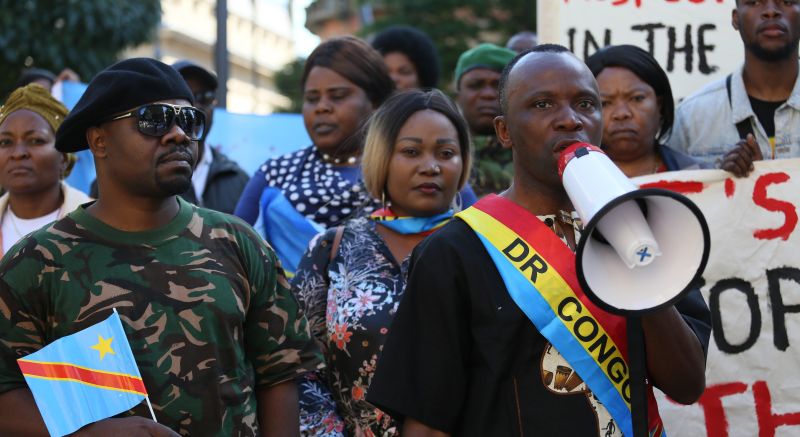
Reels have been shown through visual media about atrocities in war ravaged Democratic Republic of Congo, DRC. Print media and other media platforms had reported in abundance about the deplorable conditions about the resource rich DRC. Political and religious leaders alike gave clarion calls for restoration of tranquillity in the region, troubled by violence etched in tribal loyalties.
Peace deals were signed ostensibly to bring development tempo in the resource rich nation. Notably, two international agreements were signed within a month in hopes of restoring peace in eastern Democratic Republic of Congo. One took place in Washington under U.S. mediation, the other in Doha with Qatar’s support. While the stated goal is stability, analysts reveal that Central Africa is not in control of its own peace processes, as foreign powers continue to play a dominant role.
Though the content of the peace deals may contain the same, a closer look reveals that they have differing connotations and contexts. The Doha treaty explicitly names the M23 rebel group, while the Washington agreement avoids the subject altogether. According to experts, this reflects two different diplomatic approaches. The American approach is more formal and economically driven, while Qatar’s diplomacy aims to involve all stakeholders without offending local sensitivities.
In the background, the DRC’s vast reserves of cobalt and lithium are stirring intense competition. The tensions extend beyond diplomacy. In Tanganyika province, a dispute between the Congolese state and Australian firm AVZ Minerals over the enormous Manono lithium project highlights the complexity of the country’s mining landscape. The government suspended the company’s license, prompting arbitration before the International Centre for Settlement of Investment Disputes in Washington. Yet on July 18, Kinshasa signed a memorandum of understanding with U.S.-based KoBold Metals to develop a section of the same project.
This deal positions KoBold as a key factor in reviving the Roche Dure site, which had been stalled for months. However, AVZ Minerals, the project’s majority stakeholder, argues that the agreement breaches a provisional international ruling from January. That decision required Kinshasa to recognize its subsidiary Dathcom as the legitimate license holder and to safeguard its rights during the legal process.
Such disputes highlight the urgent need for transparency and sovereignty in managing natural resources. Analysts say the DRC must review its mining contracts and rebuild a solid legal framework to ensure the population benefits. But many feel that it is easier said than done. Every stakeholder has an unstated agenda in pushing peace deals there. It is nothing but to become an active beneficiary of the enormous minerals and rare earth found in the country.
Read Also:
https://trendsnafrica.com/m23-distances-from-peace-agreement-signed-with-drc-in-qatar/
Does it sound DRC is a country caught between peace and anarchy due to its bountiful resources? Yet, there are lone voices in support of the country coming from independent sources, be it from within or outside. They call for a strong and strategic response. The DRC must renegotiate its contracts, reform its mining code, and establish fair partnerships. Peace must not serve as a cover for foreign exploitation. Only deep reforms will allow the country’s wealth to truly benefit the Congolese people. Now, it is over to the political administration in the country to decide which way it should take?