

(3 Minutes Read)
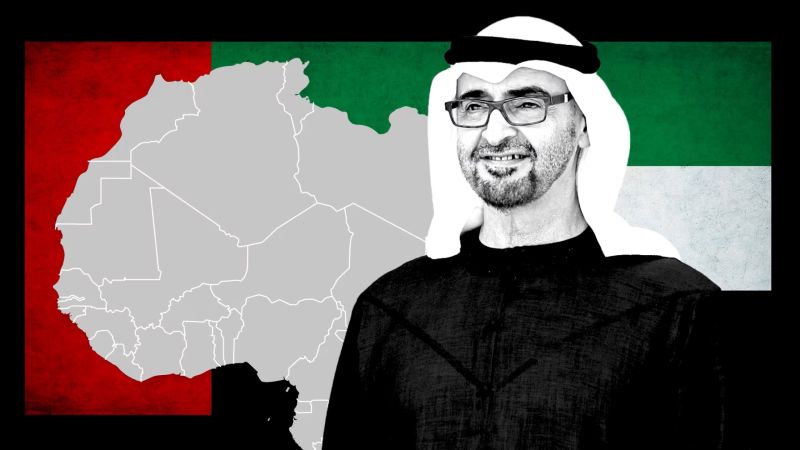
The United Arab Emirates (UAE) has solidified its position as a major player in Africa’s evolving investment ecosystem, aligning with global powers such as the United States, China, and the European Union in channeling billions of dollars into renewable energy, infrastructure, and tourism across the continent.
According to Abdulla bin Touq Al Marri, UAE Minister of Economy and Tourism, the country now ranks fourth globally as an investment partner in Africa. Speaking at the UAE–Africa Tourism Investment Summit 2025 in Dubai, he revealed that UAE investments in Africa exceeded USD 110 billion between 2019 and 2023, marking a transformative era in UAE–Africa economic relations.
Of the total investments, more than USD 70 billion has been directed toward green and renewable energy initiatives, positioning the UAE as the leading Arab and GCC investor in Africa’s clean energy transformation. These efforts aim to fill the gaps left by traditional Western investors and advance Africa’s transition to sustainable power sources.
While comprehensive data for global players vary, Africa’s foreign direct investment (FDI) inflows reached approximately USD 97 billion in 2024. The EU remains the continent’s largest investor, followed by the United States and China, whose investments totaled about USD 42 billion.
Amid this competitive landscape, the UAE has strategically emerged as Africa’s fourth-largest investor, with its FDI stock surpassing USD 60 billion by 2025. With Africa facing an annual infrastructure deficit of USD 150 billion, the UAE’s capital is helping bridge critical development gaps.
During the 2025 summit, the UAE announced USD 6 billion in new tourism investments, underscoring its commitment to deepening cross-continental cooperation and job creation. The event, themed “Building Bridges for Sustainable Growth,” gathered over 350 delegates from 53 African countries, including ministers, government officials, investors, and entrepreneurs. Minister Bin Touq emphasized that the summit showcased collaboration opportunities between the UAE and more than 20 African nations, reaffirming the UAE’s long-term commitment to sustainable partnerships.
Dubai’s DP World, one of the world’s largest port operators, continues to be a cornerstone of Africa’s logistics infrastructure. The company manages six ports and operates in nine countries, including Nigeria, Senegal, Egypt, Mozambique, and South Africa.
Similarly, Abu Dhabi Ports has extended its footprint to strategic markets such as Guinea, Egypt, and Angola. These efforts are supported by partnerships with Masdar, the UAE’s clean energy pioneer, to deploy solar and battery energy storage systems across African port operations.
Beyond logistics and energy, UAE investors are deepening involvement in Africa’s mining and sustainability sectors.
- International Resource Holdings, linked to Sheikh Tahnoon bin Zayed, acquired a 51% stake in Zambia’s Mopani Copper Mines for USD 1.1 billion, aiming to revitalize production and preserve jobs.
- Sheikh Ahmed Dalmook Al Maktoum has also secured carbon credit agreements in Tanzania, Liberia, Zambia, and Zimbabwe, advancing sustainable forestry and climate finance initiatives.
Africa’s tourism sector is witnessing rapid growth, welcoming over 74 million international visitors and expanding by 13% annually. Before the pandemic, the sector supported 22 million jobs and contributed nearly USD 180 billion to GDP. Projections suggest tourism could add USD 168 billion to the continent’s economy and generate 18 million jobs in the coming decade. Minister Bin Touq underscored that tourism and investment partnerships form a cornerstone of the UAE’s economic diplomacy — opening new markets, enabling knowledge exchange, and expanding opportunities for Emirati enterprises.
Read Also;
https://trendsnafrica.com/uae-emerges-as-top-investor-in-morocco/
Over 21,000 African companies now operate in the UAE, leveraging its strategic location, world-class infrastructure, and investor-friendly environment to access global markets. Emirati ports play a vital role as trade gateways connecting African producers with Asia, Europe, and the Americas.
The UAE’s engagement with Africa reflects broader national goals of economic diversification, renewable energy leadership, and sustainable development. Bin Touq emphasized that these partnerships aim to deliver mutual benefits, promote green growth, and foster long-term resilience across both regions.
With Africa’s vast natural resources and expanding tourism sector, the UAE–Africa partnership stands as a model of mutually beneficial, sustainable collaboration. Through strategic investments in clean energy, infrastructure, and tourism, the UAE is not only enhancing its global economic influence but also contributing meaningfully to Africa’s long-term prosperity.