

(3 Minutes Read)
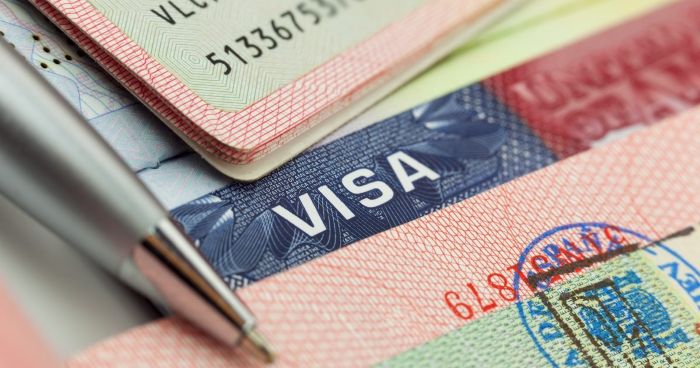
The United States has expanded visa and travel restrictions to include Zimbabwe, Malawi, and Zambia as part of a broader crackdown on African immigration. Effective August 20, 2025, Zimbabweans lose access to routine visa services, while Malawians and Zambians face steep bond requirements of $5,000–$15,000 for B1/B2 visitor visas. These measures are aimed at curbing visa overstays and boosting security but have been widely criticized as discriminatory and harmful to African mobility.
South Africa remains exempt for now, though experts warn this could change amid rising geopolitical pressure and U.S. scrutiny. Of 36 countries under review, 25 are African. Affected nations have 60 days to improve documentation and repatriation cooperation or risk further sanctions. Critics argue the policies reflect Western double standards and lump diverse African nations into a single narrative of risk.
The U.S. administration maintains that the new policies are necessary to ensure national security and reduce overstays. Officials argue that many countries in Africa have failed to put adequate systems in place to track their nationals abroad or respond to repatriation requests.
Read Also:
https://trendsnafrica.com/seychelles-to-obtain-greater-flexibility-for-us-visa-process/
Still, many Africans view these sweeping policies as yet another example of global double standards, where African travellers bear the brunt of fears rooted in Western immigration politics. For now, South African travelers can still enter the U.S. without additional barriers. But the situation remains fluid. As Washington continues to assess documentation and compliance in African nations, South Africa’s status could change — especially if diplomatic efforts falter or if immigration enforcement is deemed insufficient.
Across the continent, the message is clear: Africa is under heightened scrutiny, and nations must now weigh the cost of U.S. engagement against a backdrop of tightening borders and shifting alliances.