

(3 Minutes Read)
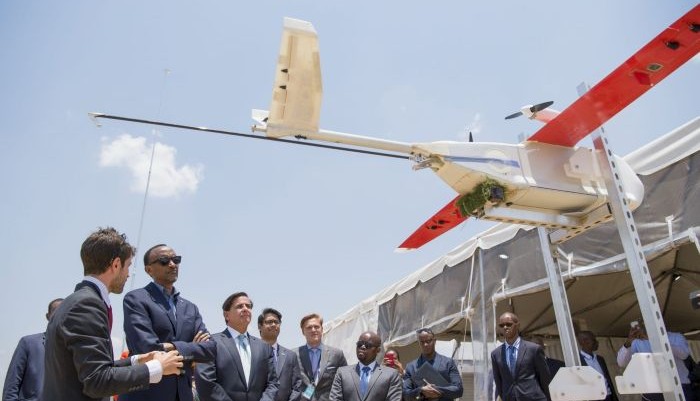
The United States has approved a USD 150 million investment in Zipline to expand its autonomous medical-delivery systems across Rwanda, Ghana, Nigeria, Kenya, and Côte d’Ivoire. The funding, issued through the U.S. State Department over three years, aims to scale drone-enabled distribution of vaccines, blood products, and essential medicines in remote regions.
Unlike traditional aid, the initiative uses a pay-for-performance structure in which participating governments enter long-term logistics contracts that could eventually exceed USD 400 million. U.S. officials frame this as a prototype for modernizing foreign assistance by pairing public financing with private delivery models.
Zipline, first launched in Rwanda in 2016, has helped health systems navigate challenges such as weak road networks and unreliable power by providing rapid, on-demand supply access. The company says its model complements—rather than replaces—existing systems by offering alternatives where infrastructure is limited.
Read Also;
While the approach aligns with African governments’ growing interest in pragmatic technology adoption, analysts caution that the financial burden placed on national budgets raises questions about long-term affordability. Still, the program signals a shift toward partnerships that treat African states as co-architects in shaping resilient health systems rather than passive recipients of aid.