

(3 Minutes Read)
Between January 1 and June 30, 2025, Tunisia exported 39,745 tonnes of organic agricultural products, earning revenues of 489.03 million dinars, according to figures published today by the National Observatory of Agriculture (ONAGRI).
The export landscape was heavily dominated by two flagship products: organic olive oil and organic dates. Together, these two categories accounted for the lion’s share of organic exports, with organic olive oil making up 86.8% of the total volume, and organic dates contributing 22.7%. (Note: Some overlap in figures is due to different accounting periods and metrics used for each product.)
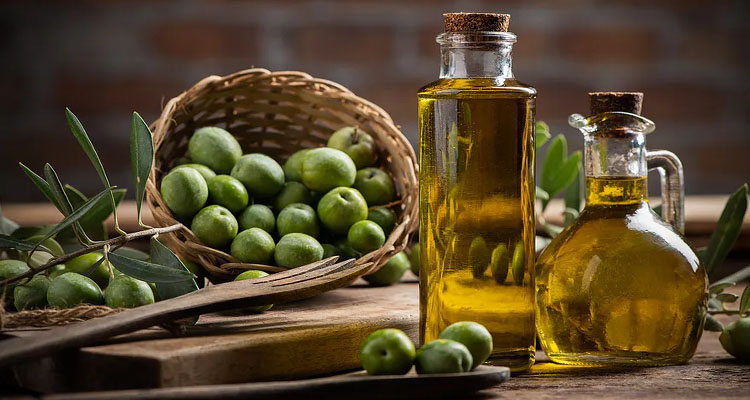
Organic olive oil was by far the most significant contributor to Tunisia’s organic export revenues. During the reporting period, Tunisia exported 45,000 tonnes of organic olive oil, bringing in 620.8 million dinars. The average export price stood at 23.59 dinars per kilogram.
This performance represented 20% of the total volume and 20.2% of the total value of all Tunisian olive oil exports during this time, highlighting the growing importance of the organic sector within the broader olive oil industry.
Notably, only 6% of these exports were bottled, indicating that the bulk was shipped in bulk format. Italy remained the top destination for Tunisian organic olive oil, importing 52.7% of the volume. The United States and Spain followed with 28.9% and 28.6%, respectively, underscoring continued strong demand from key global markets.
Over the first nine months of the 2024/2025 agricultural season, Tunisia exported 6,686.5 tonnes of organic dates. These exports generated 59.5 million dinars in revenue, with an average price of 8.90 dinars per kilogram.
While organic dates accounted for a smaller share of the total — representing 5.5% of the volume and 7.7% of the value of Tunisia’s total date exports — they nonetheless maintained a stable presence in high-value European markets. Germany was the leading importer of Tunisian organic dates, taking in 30% of the exported quantity. The Netherlands and Belgium followed closely, each accounting for 22% of the volume.
Read Also;
These figures highlight Tunisia’s continued strength and growing competitiveness in the global market for organic agricultural products, particularly in olive oil and dates. The strong performance in both volume and value points to sustained international demand for high-quality organic goods and underlines the importance of strategic export destinations in Europe and North America.