


(3 Minutes Read)
Tunisia’s food trade balance showed a significant decline during the first eight months of 2025, with a surplus of 683.2 million dinars, sharply down from 1,605.6 million dinars during the same period in 2024. This is according to a report released by the National Observatory of Agriculture (ONAGRI) on Thursday, September 17.
The report highlights a notable weakening in the country’s export performance. In 2025, Tunisian food exports covered 115.7% of food imports, compared to 135.5% during the corresponding period in 2024—illustrating a considerable drop in the export-to-import coverage ratio.
This downturn is largely attributed to a general decline in the value of exports, which contracted by 18%, while imports also saw a slight decrease of 3.9%. The imbalance between these rates of decline contributed significantly to the shrinking trade surplus.
Key export sectors experienced steep revenue losses:
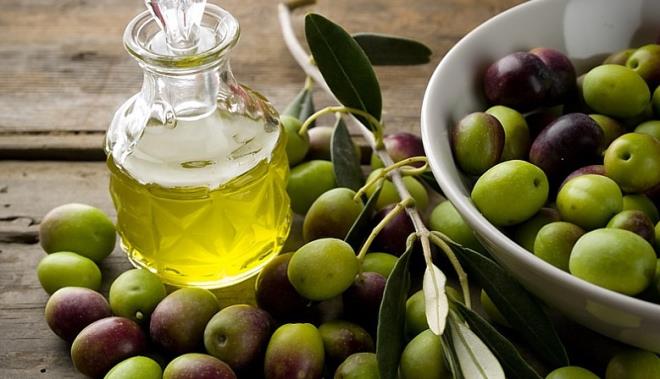
- Olive oil, one of Tunisia’s flagship export products, suffered a 29.2% drop in earnings.
- Date exports fell by 12%.
- Fish and seafood products recorded a decline of 14% in revenue.
On the import side, the report notes a reduction in the cost of several major commodities:
- Cereal imports fell by 19.8%,
- Sugar imports dropped sharply by 45.1%, and
- Vegetable oils saw a decrease of 4.8% in value.
Read Also:
While the decrease in import costs helped cushion the blow to some extent, it was not enough to offset the significant losses from exports, especially from high-value sectors like olive oil and dates. The report suggests that this downward trend in the food trade surplus could impact Tunisia’s agricultural and economic planning going forward.