


(3 Minutes Read)
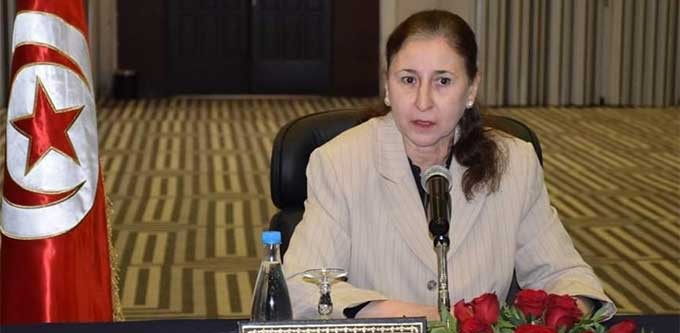
On Wednesday, July 23, 2025, the Tunisian government convened a high-level, closed-door cabinet meeting at the historic Kasbah Palace. Chaired by Prime Minister Sarah Zafrani Znaziri, the session focused exclusively on a comprehensive reform of the country’s public transportation system—particularly land transport, which has long suffered from systemic inefficiencies and neglect.
This critical infrastructure sector, beset by persistent dysfunction for decades, is now undergoing a sweeping transformation as part of a national recovery strategy spearheaded by President Kaïs Saïed. The overarching objective of the reform is to modernize public transport nationwide, elevate the quality of service available to citizens, and close regional mobility gaps, especially in underdeveloped and marginalized areas.
A key portion of the meeting was devoted to addressing Tunisia’s urgent transportation needs ahead of the upcoming academic year. Officials laid out a clear timeline and concrete figures concerning the ongoing expansion of the national vehicle fleet:
- 300 buses have already been delivered from China in two phases, arriving on June 17 and July 12, 2025.
- A contract for 418 additional buses was recently finalized through an international bidding process.
- A new agreement with Switzerland to import 200 buses is scheduled to be signed by September 2025.
- A tender has been opened for the acquisition of 35 metro trains, intended to serve Tunisia’s most trafficked urban lines.
- The government also approved the import of 397 buses from Saudi Arabia, a deal formalized during the cabinet meeting itself.
These efforts are part of a larger vehicle renewal plan that aims to inject over 1,300 new units into Tunisia’s aging public transport fleet over the coming months, signaling a significant scale-up in transport infrastructure.
Prime Minister Znaziri stressed that the overhaul is not limited to the acquisition of vehicles. Rather, it is the beginning of a long-term reengineering of Tunisia’s public transportation model. This includes:
- A complete reassessment of transport governance and operational frameworks;
- National urban and regional planning that incorporates demographic shifts, patterns of urban expansion, and emerging economic hubs;
- Substantial investment in rail transport, a sector currently underutilized despite its environmental and logistical advantages.
The government also committed to a fair and data-driven strategy for bus distribution, with particular emphasis on serving neglected regions and student-dense zones, ensuring that equity guides infrastructure expansion.
In closing remarks, Prime Minister Znaziri underscored a major shift in public policy philosophy, stating that Tunisia’s transport policy will break away from past inefficiencies. “We must begin to see transportation not as a failing public utility, but as a pillar of national development,” she said.
The broader reform plan is designed to achieve three strategic objectives:
- Social: Restore the right to mobility for all Tunisians, especially in rural and suburban communities.
- Economic: Support national development by easing access to employment, markets, and public services.
- Symbolic: Rebuild public trust in government services and strengthen the visible presence of the state throughout the country.
In a noteworthy move, Tunisia has chosen to diversify its supplier base, signing agreements with China, Switzerland, and Saudi Arabia. This approach aims to reduce dependency on any single provider and ensure timely and consistent vehicle deliveries.
Read Also;
https://trendsnafrica.com/tunisia-clamps-down-on-bolt-and-other-ride-hailing-services/
Furthermore, the emphasis on rail investment points to the government’s intention to pursue innovative international partnerships and integrate sustainable technologies into the country’s transit ecosystem. This bold and multifaceted public transport reform represents one of the most significant infrastructural initiatives in Tunisia in recent decades, with far-reaching implications for its economy, society, and national cohesion.