

(4 Minutes Read)
For centuries, Africa has relied on foreign aid to support critical sectors like healthcare, education, and food security, but recent drastic cuts—particularly from the U.S. and U.K.—have triggered a crisis threatening to reverse decades of development gains. The continent’s fragile health systems are among the hardest hit, with disruptions to programs like PEPFAR and growing risks of disease resurgence and malnutrition, especially in countries like Nigeria, Somalia, and South Sudan. Yet amid the turmoil, African nations are showing resilience by mobilizing domestic resources, pursuing innovative financing, and partnering with emerging global players like China and Saudi Arabia, signaling a shift toward self-driven, sustainable development.
Africa has grappled with complex developmental challenges, including widespread poverty and deep-rooted social and economic disparities. Foreign aid has long served as a lifeline, supporting vital services such as healthcare, education, and food security. However, this aid has often come with invisible strings, reinforcing dependency rather than enabling sustainable, self-driven growth. The abrupt withdrawal of foreign aid from donor countries has pushed Africa into a crisis that threatens to undo decades of progress.
The United States has historically been Africa’s largest foreign aid donor, followed by the United Kingdom and other European nations. But even before President Trump’s dramatic USD 8 billion cut to U.S. foreign aid in January 2025, Europe had already begun scaling back its assistance. The UK government, for example, slashed its foreign aid budget by 40%, severely impacting programs focused on children’s education, women’s health, and water and sanitation across the continent.
Already burdened with huge debt-servicing obligations, African economies could hardly spare domestic resources for critical sectors. As a result, these sectors were completely dependent on external funding. The drastic cuts in foreign aid have rocked the very foundation of Africa’s development budget. Essential services—including healthcare, education, food security, and poverty alleviation—are among the worst-hit.
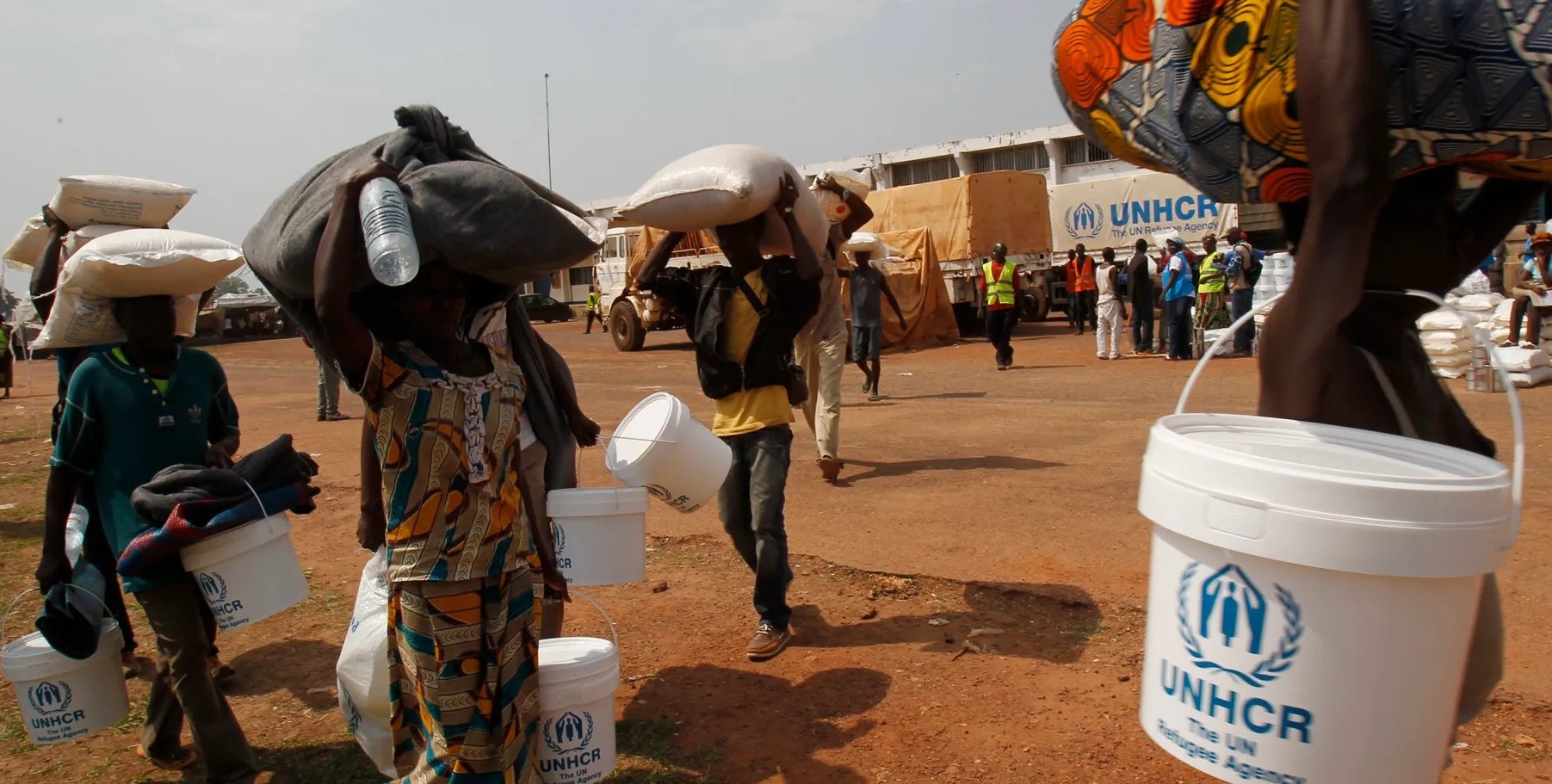
The biggest casualty is health care. Africa’s health infrastructure remains fragile and fragmented. Foreign aid played a central role in combating infectious diseases such as HIV/AIDS, Ebola etc. The U.S. President’s Emergency Plan for AIDS Relief (PEPFAR), launched in 2003, has been a game changer in Africa’s battle against HIV/AIDS. Abrupt funding cuts to programs like PEPFAR have disrupted service delivery, forcing clinics to close and cutting off access to life-saving medication for thousands. Though a limited waiver was later issued to resume some HIV services, experts warn it falls far short of what’s needed. There is growing concern that a resurgence of HIV/AIDS infections could reverse decades of hard-won progress.
Beyond HIV/AIDS, reduced aid threatens the region’s ability to respond to famines and disease outbreaks. Countries like Nigeria, Somalia, and South Sudan are seeing worsening rates of child malnutrition. Shortfalls in funding are also hampering laboratory testing, the transportation of medical supplies, the staffing of health teams, and emergency responses to outbreaks such as Ebola, mpox, and Marburg.
One of the core objectives of the United Nations Sustainable Development Goals (SDGs) is the eradication of extreme poverty. With the dismantling of large-scale foreign aid programs, this goal is becoming increasingly elusive for many African nations.
Despite the gravity of the crisis, what stands out is the commendable determination and resilience demonstrated by African nations as they strive to chart their own path forward. Several governments have begun mobilising domestic resources and increasing health sector allocations. For instance, Malawi has earmarked 12% of its national budget for healthcare. Community-based financing tools, such as crowdfunding and social enterprises, are being promoted to supplement government budgets.
Countries are also exploring innovative financing models, including the expansion of development finance institutions, public-private partnerships, diaspora support and interventions from philanthropic organisations.
In a bid to address the aid gap, in mid-2025, Bill Gates announced a USD 200 billion plan through the Gates Foundation. A significant portion of it will be earmarked for Africa over the next 20 years to boost sectors including healthcare, education, and innovation. This long-term commitment offers a critical buffer during a time of volatility and uncertainty.
Efforts are also underway to strengthen Africa’s institutional and regulatory frameworks to attract investment and build long-term resilience. Initiatives such as the African Medicines Agency (AMA) and AfricInvest are helping to develop a robust pharmaceutical industry and facilitate cross-border health regulations. The AMA, in particular, aims to establish a single continental market for medicines, while AfricInvest focuses on facilitating private-sector investment in critical sectors such as healthcare.
With traditional Western donors retreating, Africa is turning to new partners, including members of BRICS and countries across Asia and the Middle East. At the last Forum on China-Africa Cooperation (FOCAC), China pledged USD 50 billion in support through a combination of grants, concessional loans, and credit lines. Similarly, Saudi Arabia has announced a USD 41 billion investment package for Sub-Saharan Africa, which includes commitments to healthcare, education, and resource security.
The current dismal foreign aid landscape, despite triggering a major crisis, also presents a golden opportunity for Africa to take ownership of its development agenda and regain its economic independence. Africa can weather the storm through strategic investments, local production and regional integration. The African Continental Free Trade Area (AfCFTA) holds the key to unlock this.