

(4 Minutes Read)
With global gold prices having surged from around USD 1,800 per ounce in 2020 to over USD 4,000 in 2025, these illegal pits are a big boost for Ghana’s economy. However, there are growing concerns that the government is sacrificing the environment to improve economic indicators and boost gold reserves.
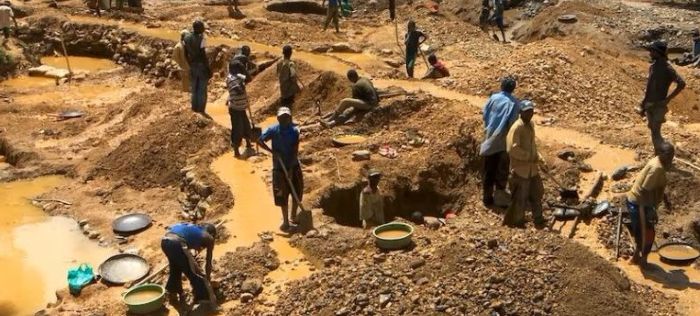
The illegal gold pits bring wealth to Ghana, directly employing over one million small-scale miners and accounting for 35% of the country’s gold production. With global gold prices having surged from around USD 1,800 per ounce in 2020 to over USD 4,000 in 2025, these illegal pits are a big boost for Ghana’s economy. However, there are growing concerns that the government is sacrificing the environment to improve economic indicators and boost gold reserves.
But this wealth comes at the expense of health, in more ways than one. Some of illegal mining’s negative health impacts are well-reported, such as the contamination risk to local communities’ water, with galamasey having polluted at least 60% of Ghana’s rivers. Yet there is one particularly harmful effect that is still little known: the killing of the medicinal plants that 70% of Ghanaians depend on, particularly those Ghanaians who can’t afford modern healthcare.
Per a Ghana Statistical Service survey in 2019, 51.7% of Ghanaians seek consultations at private health facilities as against 45.7% in public facilities. The favouring of private services is attributed to the inadequate public health infrastructure, among others.
Serwah of the Eco-conscious Citizens believes the illegal gold mining is putting Ghana “on the verge of an ecological catastrophe”. Yet successive governments have been slow to act. President John Mahama was returned to power in January of this year after his predecessor, Nana Akufo-Addo, faced criticism for a lack of urgency in safeguarding the environment from illegal mining.
Before the election, Mahama promised to scrap a law allowing mining in forest reserves, but his government failed to act for almost 11 months until, under rising pressure from environmental activists, it finally started the process to revoke the law and convened a special forum to discuss the illegal mining problem.
Ghana has around 7.9 million hectares of forest cover, which makes up around 35% of its total land area. But the country also has one of the highest levels of deforestation in the world, having lost around 25% of its tree cover between 2001 and 2004 as the mechanization of galamsey took shape.
Read Also:
https://trendsnafrica.com/ghanas-environmental-groups-up-against-illegal-mining/
These forests are home to at least 1,360 species of medicinal plants for primary health care, which rural communities across Ghana are said to have accrued knowledge of. The plants treat a wide variety of ailments, including fever, malaria, wounds, gastrointestinal disease, numbness, hypertension, coughs, gonorrhea, syphilis, skin diseases, ulcers, rheumatism, asthma, and fibroids.