

(3Minutes Read)
Over the past decade, South Africa’s ocean economy has attracted over R4 billion ( USD 233 million) in investment, highlighting rising confidence in the country’s maritime potential. Minister of Forestry, Fisheries and the Environment, Dion George, made the announcement in Cape Town, emphasizing the ocean’s role as a renewable engine of job creation, economic resilience, and environmental sustainability.
Central to this vision is the Oceans Economy Master Plan, which forecasts that by 2035, ocean-based industries could add R166 billion to the GDP and generate over 600,000 jobs. Key sectors driving this growth include aquaculture, fisheries, coastal tourism, and marine conservation—particularly vital in coastal provinces facing high unemployment.
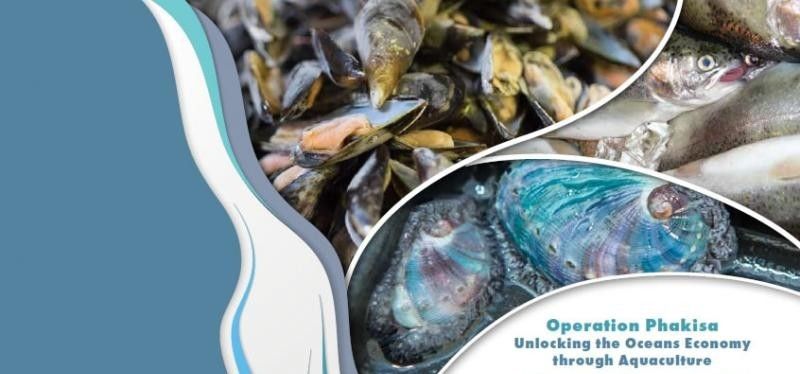
The strategy is being implemented through Operation Phakisa, a government-led initiative launched in 2014 to unlock the full economic value of South Africa’s maritime domain while preserving its ecosystems. Administered by the Department of Forestry, Fisheries and the Environment (DFFE), Operation Phakisa has driven progress in aquaculture expansion, harbour infrastructure upgrades, and support for small-scale fisheries.
Notably, the Fishing for Freedom campaign has rejuvenated harbour economies by creating employment in fish processing, boatbuilding, and tourism. Meanwhile, the establishment of new Marine Protected Areas has reinforced biodiversity conservation while boosting eco-tourism activities such as whale watching and marine recreation.
A cornerstone of the government’s strategy is Marine Spatial Planning, a policy framework that balances economic use of ocean spaces with ecological protection by designating zones for specific activities. In addition, the DFFE is advancing an Inland Fisheries Policy to bolster food security and rural development through sustainable management of freshwater resources.
Experts view South Africa’s approach as part of a larger African shift recognizing the ocean as a vital economic and environmental frontier. This aligns with the African Union’s Agenda 2063, which identifies the blue economy as a key driver of the continent’s transformation. With 38 coastal nations and a combined exclusive economic zone of over 13 million square kilometers, Africa’s maritime resources hold immense potential—if managed equitably.
“South Africa shows how marine resources can fuel both economic growth and social equity,” said a researcher from the University of Cape Town’s Marine Research Institute. “But the real challenge is ensuring these benefits reach local communities, not just industry players.”
Challenges persist, including regulatory inefficiencies, environmental threats, and insufficient local participation. Minister George acknowledged these issues, affirming the government’s commitment to transparent governance, environmental sustainability, and inclusive growth.
Read Also;
https://trendsnafrica.com/seychelles-marks-10-years-of-blue-economy-leadership/
As South Africa strengthens its ocean economy, its experience may serve as a model for other African nations seeking to transform maritime resources into instruments of sovereignty, sustainability, and shared prosperity. The country’s evolving relationship with its oceans reflects a broader move toward African-centred development—rooted in stewardship, equity, and long-term resilience.