

(4 Minutes Read)
The global surge in demand for rare earth elements has prompted a wave of exploration and investment across Africa, with several major projects underway that could significantly boost the continent’s role in the global supply chain. However, while this presents economic opportunities, it also raises concerns about exploitative practices, geopolitical interference, and social costs, particularly in conflict-prone regions like the DRC and Sahel. To safeguard its interests, Africa must prioritize renegotiating outdated mineral treaties, adopt a unified model mineral law through the AU and AfDB, and establish domestic value-addition infrastructure.
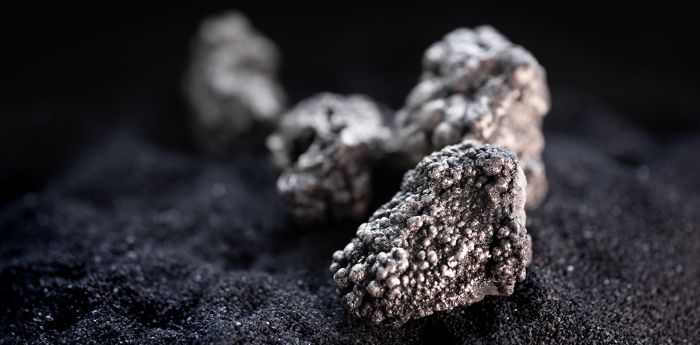
The global demand for rare earth elements is projected to increase fourfold by 2030, driven by the energy transition and increasing investments in industrialization. African nations rich in rare earth minerals are accelerating exploration and production efforts to capitalize on this growth.
Amidst these developments, eight rare earth projects are set for commissioning by 2029 in Africa. If these fructify, Africa’s share of the global rare earth supply chain will reach 10%. Even then, a large untapped resource exists. Some of the big-ticket rare earth projects need to be flagged. For instance, South African asset manager Novare, signed a RI 1.8 billion deal in February 2025, with American firm ReElement Technologies to develop a rare earth refining and battery manufacturing facility. ReElement will contribute its refining technology, while Novare will provide funding for the value addition initiative. The construction of the plant is expected to begin any time from now.
In Namibia, the Japan Organization for Metals and Energy Security and Namibia Critical Metals completed a production pilot for the Lofdal Project. Meanwhile, in Angola, a UK-based company called Pensana secured a USD 80 million loan from Absa Bank Limited in January 2025 to expedite the rollout of the Longonjo Project, which is expected to supply 5% of the world’s magnet metal rare earths demand – essential for the development of wind turbines and electric vehicles.
Other major investors are also making bold moves in Africa’s rare earth sector. They include Jeff Bezos and Bill Gates, who have injected USD 537 million into exploration and mine development through mining startup KoBold Metals, further accelerating Africa’s rare earth ambitions. The funding will be directed toward rare earth mining ventures.
Additionally, recognizing the strategic value of rare earths, a multinational financial institution, the African Development Bank, proposed the development of the African Units of Account (AUA), a new currency backed by Africa’s critical mineral reserves, including rare earth elements. The initiative would help stabilize regional currency markets and attract more international investment in green energy projects, amidst the growing demand for critical minerals globally and Africa’s vast reserves. The other important projects include Phalaborwa and Steenkampskraal (South Africa), Makuutu (Angola), Ngualla (Tanzania), and Songwe (Malawi). DRC, which has a huge deposit of rare earth, has already signed an agreement with the US for joint exploration and exploitation of rare earth. The Donald Trump-initiated programs to control rare earth are gradually spreading to Mozambique, Zimbabwe, and several other countries.
Unfortunately, the social cost of swarm-like entry into Africa in search of rare earth is not properly assessed and described. Beyond the veneer of sugar-coated promises that every investing country/company is offering, there lies a calculated approach to gain control over rare earth by hook or crook. Does it hold good for Africa? Experts argue otherwise. Cross-interests of investors may have an impact on the social and political landscape. In their eagerness to gain control, investors will deploy all types of tricks to increase their control. These unsavoury developments are taking place in the war-torn DRC, Mozambique, and countries in the Sahel region.
Then what should be the right rare earth policy for the continent? The interest of Africa should be the primary consideration. That means renegotiation of the existing mineral treaties entered mostly during the colonial era and amending them to reflect and balance the interests of the host countries. Two, AU and AfDB should frame a model mineral law for their members to follow, to protect their interests, which can be adapted into the host country’s legislative framework. Last but not least, create structures within the host country for at least the first-level processing of rare earth.