

(3 Minutes Read)
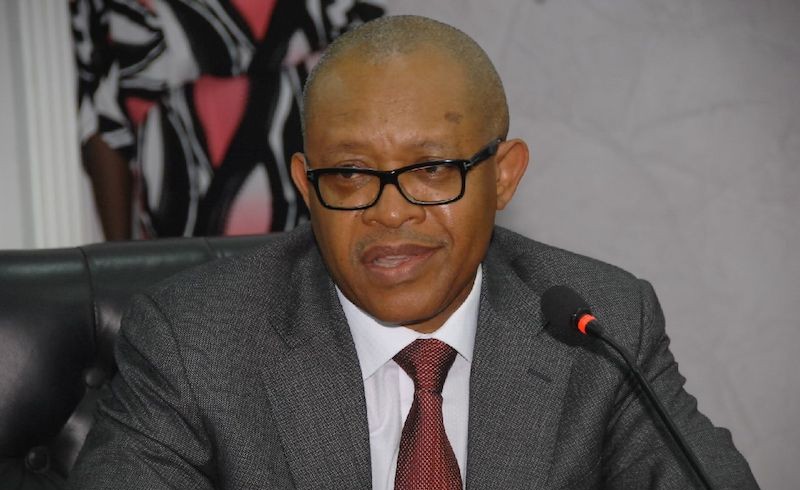
The call was made during the ongoing Intra-African Trade Fair (IATF) 2025, where Emeka Okwuosa, Oilserv group chief executive officer, represented by Cephalus Wariri, the company’s Chief of Staff, emphasized that African EPC firms have demonstrated the expertise and capacity to deliver world-class projects.
Oilserv Nigeria Limited, one of Africa’s leading oil and gas servicing companies, has called on International Oil Companies (IOCs) operating across the continent to prioritize partnerships with African Engineering, Procurement, and Construction (EPC) firms. The company stressed that building capacity and expanding opportunities within the continent’s oil and gas sector would be best achieved through deeper collaboration with indigenous contractors.
The call was made during the ongoing Intra-African Trade Fair (IATF) 2025, where Emeka Okwuosa, Oilserv group chief executive officer, represented by Cephalus Wariri, the company’s Chief of Staff, emphasized that African EPC firms have demonstrated the expertise and capacity to deliver world-class projects.
Okwuosa noted that Oilserv’s track record over the past three decades underscores this capacity. Since inception, the company has played a leading role in executing complex oil and gas construction and engineering projects in Nigeria, while gradually expanding its footprint across other African economies.
Beyond Nigeria, Oilserv has expanded its operations into Benin, Ghana, Senegal, and other African markets. Wariri explained that the company’s Pan-African strategy is deliberate, given the need to strengthen indigenous participation in the continent’s energy sector.
The company has also relied on partnerships with multilateral institutions to drive growth. Oilserv has consistently leveraged the support of Afreximbank, which has provided both financial and technical backing for its expansion.
Despite these achievements, Wariri pointed out that access to financing remains a major challenge for indigenous firms. Local banks, he argued, lack the capacity to provide the scale of funding required for multi-billion-dollar energy projects, leaving companies dependent on multilaterals such as Afreximbank.
In addition to financing, Oilserv highlighted broader challenges such as insecurity, ease of doing business constraints, and foreign exchange instability, all of which affect project execution across the continent.
Read Also:
https://trendsnafrica.com/is-oil-a-sunset-industry-for-africa/
Wariri urged African governments and financial institutions to address these systemic issues if local firms are to compete effectively with foreign contractors. He also raised concerns about the lack of policy uniformity across African countries, which creates bottlenecks for cross-border EPC projects.