


(3 Minutes Read)
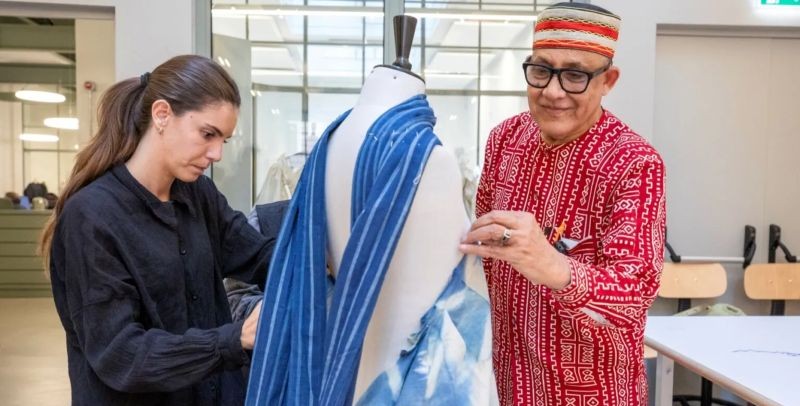
During a two-day class in September, Alphadi taught 14 students currently earning their degrees at Rome’s Academy of Fashion how to blend African and Italian fashion traditions.
Renowned Nigerian fashion designer Alphadi held a masterclass for students at Rome’s Academy of Fashion to celebrate African cotton and design as part of the events held by the Food and Agriculture Organization of the United Nations (FAO) to celebrate World Cotton Day on 7 October.
During a two-day class in September, Alphadi taught 14 students currently earning their degrees at Rome’s Academy of Fashion how to blend African and Italian fashion traditions. Known as “the Magician of the Desert” for his internationally recognised work in haute couture, Alphadi worked with the students in creating seven original cotton-based designs.
Cecilia Marchesini, a student at the Academy, highlighted the exciting opportunity of working with Alphadi, who is a Goodwill Ambassador for African Innovation and Creation at the United Nations Educational, Scientific and Cultural Organization (UNESCO). Recognising the unique benefits of cotton, in August 2021, the General Assembly of the United Nations designated 7 October of each year as World Cotton Day.
Since then, FAO and its partners have led the initiative to promote cotton. This year, FAO partnered with the fashion sector, showing how cotton goes from field to fashion, becoming an important sector for the new generation.
Read Also:
World Cotton Day originated as a request from African cotton-producing countries eager to promote cotton and celebrate it worldwide, said El Mamoun Amrouk, Senior economist at FAO.
The cotton sector employs millions of people worldwide. It is a top industry for some of the poorest countries, attracting export revenues for producers.
The objective of World Cotton Day is to raise the visibility of the cotton sector and increase awareness of the critical role it plays in economic development, international trade, and poverty alleviation, as cotton is central to the livelihoods of millions of people in more than 80 countries.