

(3 Minutes Read)
After almost three years of suspension triggered by a crippling foreign exchange (FX) crisis, Nigerian banks have resumed international transactions on naira-denominated debit cards. This major development highlights a renewed sense of stability in Nigeria’s FX market, driven by recent monetary policy reforms, increased diaspora remittances, and an improved credit outlook.
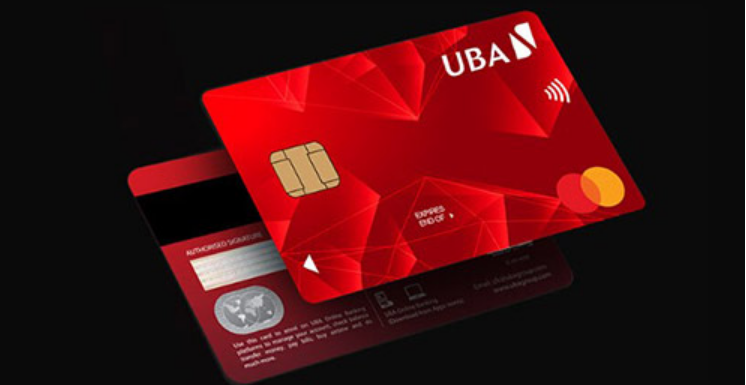
Two prominent financial institutions, United Bank for Africa (UBA) and Wema Bank, have officially informed customers of the reactivation of international usage for their naira Mastercard and Visa debit cards. This move is set to ease the burden on millions of Nigerians who depend on these cards for making global payments, subscribing to international services, and shopping online.
UBA, led by renowned businessman Tony Elumelu, announced that its premium naira cards—including Gold, Platinum, and World variants—are now enabled for international use. Customers can now use these cards across global ATMs, Point-of-Sale (PoS) terminals, and e-commerce platforms.
“As part of our continued commitment to delivering seamless banking services, we are pleased to inform you that UBA Premium Naira Cards and World variants can now be used for international transactions,” the bank said in a statement. “This means you can carry out everyday payments and transactions abroad, online shopping, and more, with ease and flexibility.”
Industry experts say this reactivation is possible due to several positive shifts in Nigeria’s economic and monetary landscape. Charles Sanni, CEO of Cowry Treasurers, credits the naira’s recent appreciation, reduced FX arbitrage opportunities, and increased foreign remittances as key enablers.
“The narrowing gap between official and parallel market exchange rates may have influenced banks’ decision to lift restrictions,” Sanni stated. “Additionally, policies by the Central Bank of Nigeria (CBN)—such as allowing Nigerians in the diaspora to open local accounts—have boosted remittance flows and FX availability.”
Sanni also noted other contributing factors including an improved sovereign credit rating for Nigeria, successful clearing of FX backlogs, better oil revenues due to global price movements, and ongoing recapitalisation efforts within the banking sector.
The original restrictions date back to mid-2022, when Nigeria’s worsening FX situation prompted several top banks—including GTBank, Zenith Bank, First Bank, and Standard Chartered—to halt international usage of naira cards. At the time, customers were advised to open domiciliary (foreign currency) accounts as an alternative for cross-border transactions.
For example, First Bank issued a notice in September 2022 stating that customers would no longer be able to use naira Mastercards, credit cards, or virtual cards for overseas payments due to prevailing FX market conditions. Similarly, GTBank and various fintech platforms such as Flutterwave and Eversend suspended international card services.
The inability to make foreign transactions severely impacted Nigerian consumers and small businesses who relied on these cards for vital services, from paying for online education and international logistics to managing global software subscriptions.
Read Also;
https://trendsnafrica.com/nigeria-cbn-warns-stringent-penalties-for-non-compliance-with-fx-code/
Now, with banks like UBA and Wema lifting these restrictions, it is expected that other banks will follow suit, especially if current FX stability persists under ongoing CBN-led reforms. For many Nigerians, this development marks not just the return of a vital financial service but also a hopeful signal of a more stable and accessible financial ecosystem.