

(3 Minutes Read)
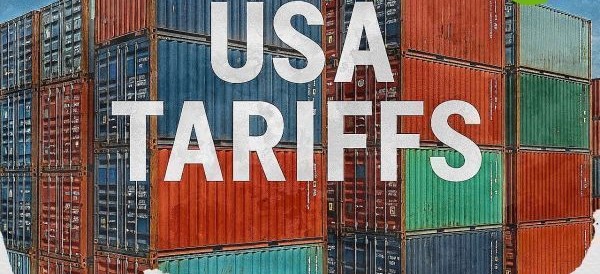
The introduction of a 15% tariff on Namibian exports to the United States and a 30% levy on South African goods is expected to limit the flow of U.S. dollars through the SWIFT system, potentially tightening liquidity and increasing transaction costs for Namibia, according to Almandro Jansen, Junior Economist at Simonis Storm.
Jansen explained that these tariffs will not only obstruct trade but also disrupt financial operations. “Tariffs go beyond being commercial barriers — they prompt structural changes in both trade routes and financial transactions,” he said. For Namibia, this means fewer dollar-based settlements through SWIFT, resulting in restricted liquidity and higher costs in the short term.
Given that most Namibian export payments are routed through correspondent banks in South Africa or Europe, a decrease in U.S. dollar inflows will reduce the number of SWIFT transactions involving American banks. This will slow down payment processes and increase reliance on intermediaries.
Although the U.S. is not Namibia’s largest trade partner, its influence is significant due to the dominance of the dollar in global trade settlements. A drop in dollar inflows complicates payment cycles for small, open economies like Namibia.
Jansen also highlighted Namibia’s vulnerability due to its reliance on South African banks for dollar clearing, as most local banks lack direct correspondent banking relationships in the U.S. If South African dollar flows dwindle, Namibia would be hit even harder, leading to liquidity shortages and more expensive international transactions.
Over time, the economist believes these tariffs will accelerate the development of new trade and financial corridors with Europe, Asia, and other African countries, moving away from dependence on South Africa. While this shift aligns with a more multipolar financial world, it brings short-term operational and cost challenges.
Read Also:
https://trendsnafrica.com/us-tariff-to-affect-namibian-beef-and-fish-exports/
Fewer dollars in the region could also put pressure on Namibia’s currency peg to the South African rand, potentially increasing the use of euros, pounds, or yuan for settlements. Jansen concluded that the impact of these changes hinges on how quickly Namibia adapts its trade strategies, financial systems, and currency policies in response to global shifts.