
(3 Minutes Read)
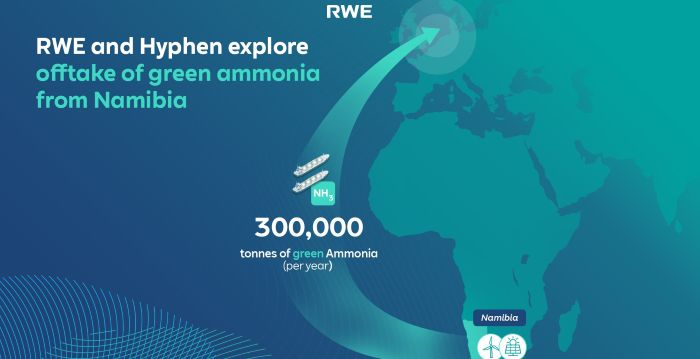
Namibia’s ambitions to become a leader in green hydrogen production are encountering significant delays, with weak international demand, complex financing challenges, and lingering policy uncertainty standing in the way—despite strong political support and international interest.
A key issue undermining progress is the lack of firm offtake agreements—contracts that guarantee the purchase of future hydrogen output. These agreements are critical for attracting the massive investments required to develop green hydrogen infrastructure. Without long-term buyers in place, securing funding becomes nearly impossible.
This problem extends beyond Namibia, affecting neighbouring South Africa as well. Palesa Shipena, economic policy officer at the Dutch Embassy, emphasized that while the global enthusiasm for green hydrogen is growing, the absence of committed buyers remains a serious bottleneck.
“Whether in Namibia or South Africa, developers are struggling to lock in long-term offtake agreements. These contracts are essential to de-risk investments and move projects forward,” Shipena noted.
Europe, seen as a primary target market for Namibian green hydrogen, is not evolving quickly enough to meet these expectations. Political shifts, regulatory changes, and a lack of policy clarity have created an unpredictable environment, deterring buyers from making long-term commitments. As a result, some companies, including a Dutch firm operating in Namibia, have already scaled down operations due to the lack of confirmed demand—only recovering when a government institution intervened.
“European offtake markets are just not maturing fast enough. The slow progress is largely tied to political transitions and shifting regulations. Buyers don’t want to commit in such uncertain conditions,” Shipena explained.
She added that more robust political and policy commitments from European governments are urgently needed to close the funding gap and stimulate confidence among investors. Efforts are underway, with countries like The Netherlands and Germany reportedly pushing for action at the EU Commission level to speed up market development.
Read Also;
https://trendsnafrica.com/access-bank-moves-to-namibia-with-an-eye-on-green-hydrogen-projects/
Speaking at the Global African Hydrogen Summit in Windhoek, Hyphen Hydrogen Energy CEO Marco Raffinetti echoed these concerns. He stressed the importance of clear, stable policy frameworks to attract investment and secure offtake agreements. “We’re dealing with capital-intensive projects here. Without policy certainty, the investment risk remains too high,” Raffinetti said.
Namibia’s Minister of Industrialisation, Mines and Energy, Natangue Ithete, also addressed the summit, calling for a shift from planning to implementation. He emphasized the transformative potential of the green hydrogen industry—not just for energy, but for improving access to education, healthcare, and economic independence. “It’s time to turn our words into action—our people need to see and feel the results,” said Ithete. He underscored the need for Africa to break its reliance on exporting raw materials by processing its own minerals locally and using renewable energy to power its industries.
The Global African Hydrogen Summit, which attracted over 1,500 participants from 75 countries, concludes today, having spotlighted both the promise and the hurdles facing green hydrogen development across the continent.