


(3 Minutes Read)
The government forecasts economic growth of 3.2% in 2026, according to the budget proposal, raising GDP to 1.665 trillion meticais (€22.4 billion), following the 2.9% forecast for this year, 2.2% in 2024 and 5% in 2023.
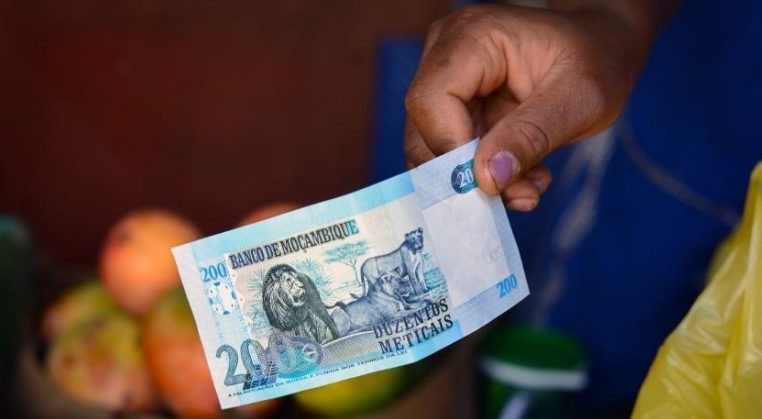
The Budget Monitoring Forum (FMO) considers that Mozambique’s budget proposal for 2026, with a deficit of 113.664 billion meticais (€1.529 billion), compromises essential services and warns of underfunding in certain sectors.
At issue is the Government’s PESOE 2026 proposal, already sent to the Mozambican parliament for discussion, which projects a lower budget deficit over several years, in nominal terms, falling to 113,664 million meticais, equivalent to 6.9% of Gross Domestic Product (GDP).
For the FMO, the PESOE proposal with this deficit is acceptable in the context of rationalising public expenditure projected by the State, in which the tax base will be expanded, and public debt will be managed prudently, but the organisation criticised the dependence on donations and external financing funds.
The government forecasts economic growth of 3.2% in 2026, according to the budget proposal, raising GDP to 1.665 trillion meticais (€22.4 billion), following the 2.9% forecast for this year, 2.2% in 2024 and 5% in 2023.
Also, in the PESOE’s macroeconomic assumptions, the government forecasts an annual inflation rate of 3.7%, compared to 7% expected for this year and 3.2% in 2024.
In statements to Lusa, the forum considered Mozambique’s confidence in controlling inflation to be “positive and good”, noting that it is expected to be sustained by a monetary policy focused on the MIMO rate and exchange rate stability.
Read Also:
https://trendsnafrica.com/mozambiques-ruby-exports-decline-by-30/
The FMO, however, raised “doubts” about maintaining inflation at the projected percentages, citing fiscal pressures, dependence on imports, and vulnerability to climate shocks, among other factors that could limit achieving those goals.