
(3 Minutes Read)
Morocco’s economy showed solid recovery in the first half of 2025, led by a 4.6% rise in agricultural output and stability across key industries, according to the Directorate of Studies and Financial Forecasts (DEPF).
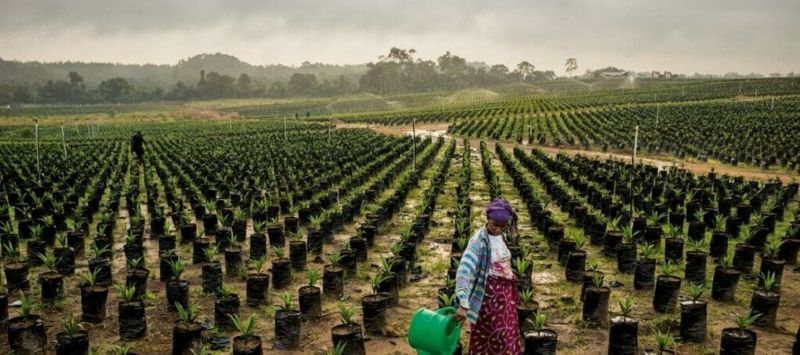
The agriculture sector, employing a third of Morocco’s workforce, benefited from favorable rainfall that lifted cereal production to 43 million quintals for the 2024–2025 season. Improved pastures and livestock breeding also bolstered rural incomes after years of drought. The DEPF attributed this rebound partly to the Green Generation 2020–2030 strategy, promoting irrigation efficiency, digitalization, and farmer cooperatives.
Citrus, olive, and tomato production remained stable, reflecting modernization efforts, though challenges persist. Climate volatility, water scarcity, and high input costs still threaten long-term stability, the report warned, emphasizing the need for faster climate adaptation and better rural access to technology.
Economic momentum extended beyond agriculture. Consumer spending rose, supported by low inflation (0.4% in September), job growth, and strong remittances (MAD 81.7 billion by August). Consumer credit expanded 3.9%, while public investment climbed 3.3% to MAD 73 billion, fueling infrastructure and industrial activity.
Foreign direct investment surged 43.4%, and business loans for equipment jumped 21.5%. These trends lifted construction (up 6.5%) and cement sales (up 10.6%). Exports grew 3.8%, driven by phosphates (+21.1%), agro-industry, and aeronautics, though imports rose faster (+8.4%), widening the trade deficit by 15.5%.
Despite strong financial markets—Casablanca’s index up 29% since December 2024—the budget deficit widened to MAD 52.8 billion due to higher spending on investment, social programs, and subsidies.
Read Also;
https://trendsnafrica.com/moroccos-focus-on-agriculture-still-to-bear-result/
Tourism added to growth, with arrivals up 14% and overnight stays up 10%. The DEPF concludes that Morocco’s economy is adapting rather than booming, showing resilience through diversification, fiscal management, and sustained government support amid global and climatic uncertainties.