

(3 Minutes Read)
“Morocco is plan A, Morocco is plan B, and Morocco is plan C,” said Patrice Motsepe, president of the Confederation of African Football (CAF), at a press conference following CAF’s annual general assembly when asked about a possible change of plans for the tournament.
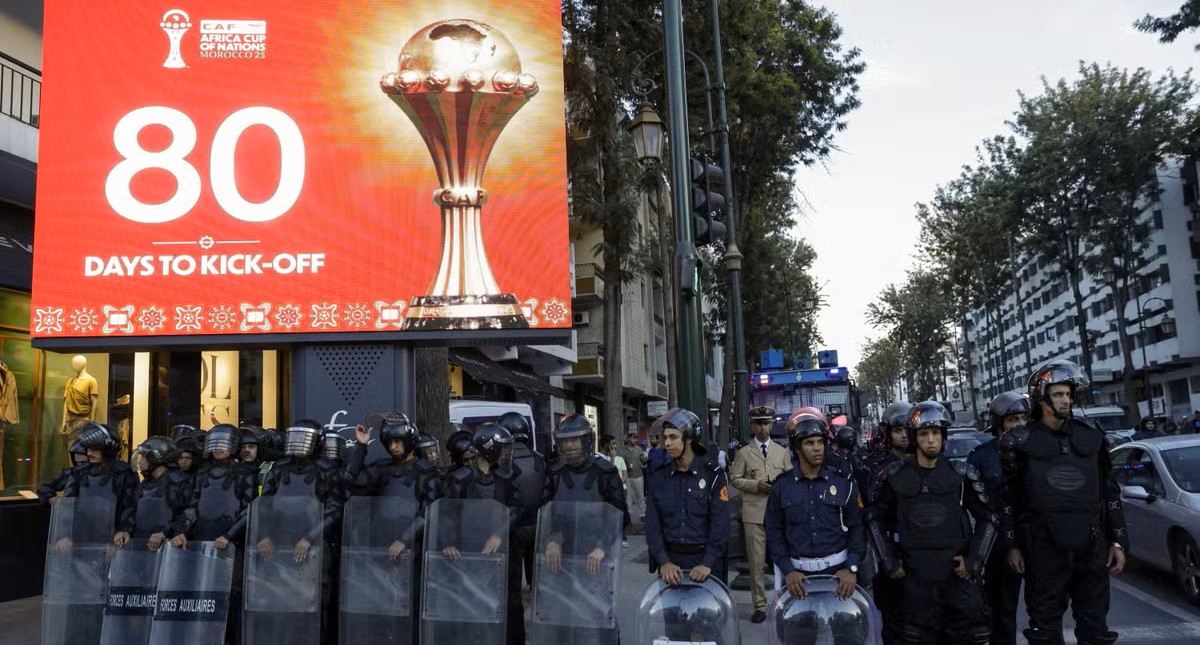
Protests against the Moroccan government, partly triggered by spending on stadiums, will not change plans for the Africa Cup of Nations, the continent’s top football official said.
Morocco, which is currently building the world’s largest football stadium as part of its preparations to co-host the 2030 Men’s World Cup, has seen demonstrations this month led by young activists in more than a dozen cities.
“Morocco is plan A, Morocco is plan B, and Morocco is plan C,” said Patrice Motsepe, president of the Confederation of African Football (CAF), at a press conference following CAF’s annual general assembly when asked about a possible change of plans for the tournament.
The protesters are voicing anger over what they see as a lack of opportunities and underfunded health and education systems. Their movement has gained support on social media, including from national team players such as Sofyan Amrabat and Yassine Bounou.
The North African country is set to host the Africa Cup of Nations, which will take place over four weeks starting on December 21 and will feature 24 teams. On Monday, CAF’s president was asked whether the schedule or dates could change.
Morocco is also building the Hassan II Stadium in Casablanca, with a capacity of 115,000, hoping it will host the 2030 World Cup final, a tournament the country will co-host with Spain and Portugal.
Read Also:
https://trendsnafrica.com/morocco-readies-to-engage-with-youth-to-address-grievances/
The 2030 World Cup, featuring 48 teams, will kick off with a few matches held in neighbouring South American countries, Argentina, Paraguay, and Uruguay — the latter having hosted the very first World Cup in 1930.