

(3 Minutes Now)
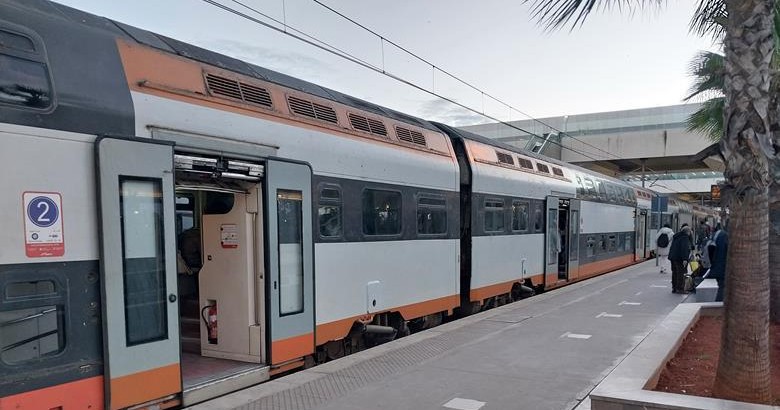
Morocco’s national rail operator, the Office National des Chemins de Fer (ONCF), has secured a €225 million (approximately USD 225 million) loan from Germany’s KfW Development Bank to support a major modernization initiative targeting the railway network within the Casablanca metropolitan area.
This financial boost complements an earlier USD 350 million loan granted by the World Bank in June 2025. Both funding agreements are earmarked for the “Service Intra-métropolitain Rapproché” (SIR) program — a strategic urban mobility project focused on enhancing commuter rail services in Greater Casablanca.
The SIR program aims to establish a modern, electrified rail system that efficiently connects Casablanca’s urban core to rapidly growing suburban and peri-urban areas including Zenata, Mohammedia, Nouaceur, and Bouskoura. Utilizing a 73-kilometer existing railway corridor (a brownfield right-of-way), the project will increase track capacity and overhaul current infrastructure. Key improvements will include the upgrading of electrical systems, modernization of signaling technologies, and reinforcement of climate-resilient infrastructure.
A central goal of the SIR initiative is to relieve congestion on the region’s overburdened rail lines, while also enhancing the logistical efficiency of freight movement—particularly to and from the strategically important Port of Casablanca.
Read Also:
https://trendsnafrica.com/morocco-unveils-ambitious-high-speed-rail-project-africas-longest-to-date/
By its expected completion in June 2031, the program is projected to significantly benefit over 560,000 residents by providing better access to sustainable and reliable public transportation. In terms of socio-economic impact, the upgraded rail network is forecast to improve job accessibility, with a 7% increase in the number of employment centers reachable within a 45-minute train ride. Moreover, access to essential services such as education, healthcare, and administrative facilities is anticipated to rise by 7.3% within the same time frame.
Overall, the project marks a significant step toward Morocco’s broader goals of sustainable urban development, climate resilience, and inclusive economic growth.