


(3 Minutes Read)
Military spokesperson, Dinis N’Tchama, said the soldiers had formed “the high military command for the restoration of order”, which would rule the country until further notice
Soldiers in Guinea-Bissau claimed on state television that they have taken control of the country, and assumed the full powers of the State of the Republic of Guinea-Bissau.
The trigger for the takeover of administration is to arrest the destabilization of the country emanating from manipulated presidential election results. There are reports about violence in the country as witnesses say that they heard gunshots in several places including near Presidential Palace. It is still to be confirmed by the military leaders who are running the show now.
Military spokesperson, Dinis N’Tchama, said the soldiers had formed “the high military command for the restoration of order”, which would rule the country until further notice.
“To suspend, until new orders, all of the institutions of the Republic of Guinea-Bissau, to suspend, until new orders, the activities of all media outlets, to immediately suspend the current electoral process, to close the land border, by sea and national airspace,” he said.
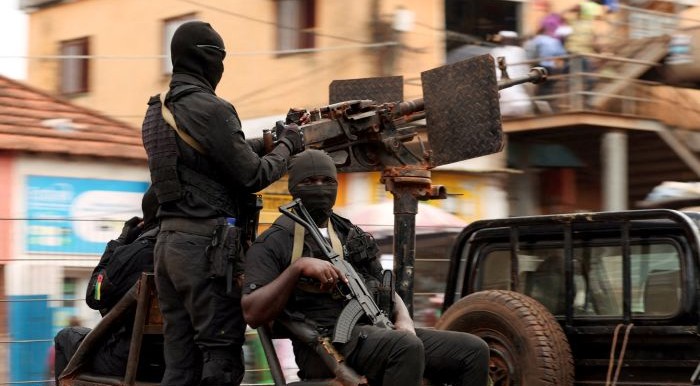
Journalists in the capital reported seeing roads leading to the presidential palace closed off, with checkpoints manned by heavily armed and masked soldiers. Outgoing President Umaro Sissoco Embaló and opposition candidate Fernando Dias da Costa both claimed to have won last week’s election.
Read Also:
https://trendsnafrica.com/counting-of-presidential-elections-underway-in-guinea-bissau/
Embaló came to power in February 2020, but the country’s constitution sets the presidential term at five years. The military takeover is the latest in a string of coups and attempted coups in Guinea-Bissau since it gained independence from Portugal in 1974.