

(3 Minutes Read)
On Monday, August 4, the country’s top court became the scene of political and legal drama, with lawyers and representatives of disqualified candidates confronting a heavily secured city under tight gendarmerie lockdown.
With Cameroon’s presidential election scheduled for October 12, the pre-election atmosphere has turned tense. The Constitutional Council deliberates on 35 appeals filed by candidates rejected by the electoral commission, Elections Cameroon (ELECAM).
On Monday, August 4, the country’s top court became the scene of political and legal drama, with lawyers and representatives of disqualified candidates confronting a heavily secured city under tight gendarmerie lockdown.
One of the first high-profile cases heard was that of Léon Theiller Onana, a member of the ruling CPDM party, who filed a bold appeal against none other than Paul Biya, the longtime incumbent president and CPDM’s official candidate.
Theiller Onana contested Biya’s eligibility, arguing that his nomination by CPDM structures was invalid. According to him, the party bodies that endorsed Biya were no longer legitimately constituted, rendering both his candidacy and political mandate questionable.
Despite the audacity of the challenge, the Constitutional Council dismissed Onana’s case without deliberation, reinforcing the view that Biya’s path to candidacy remains unshaken.
Read Also:
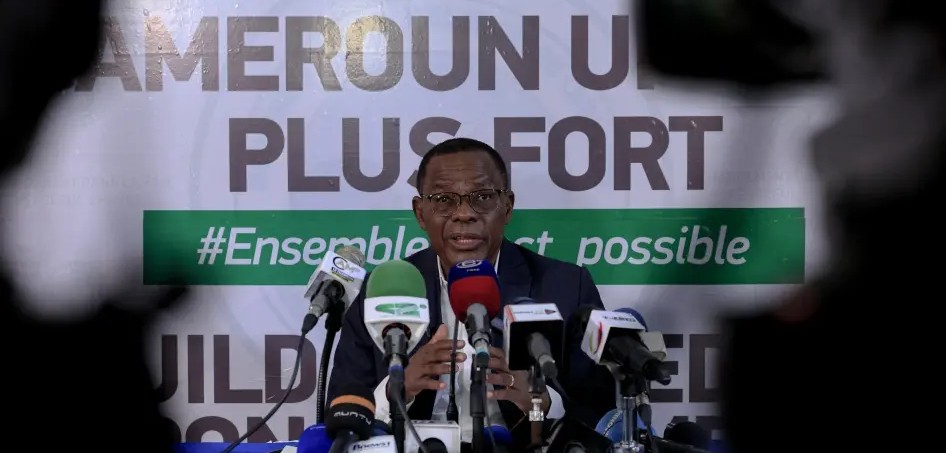
However, all eyes remain fixed on the unfolding legal battle involving Maurice Kamto, leader of the Cameroon Renaissance Movement (CRM) and widely viewed as the main opposition figure. Kamto’s party, with the support of Manidem (Mouvement africain pour la nouvelle indépendance et la démocratie), is appealing ELECAM’s decision to exclude him from the race.