
(3 Minutes Read)
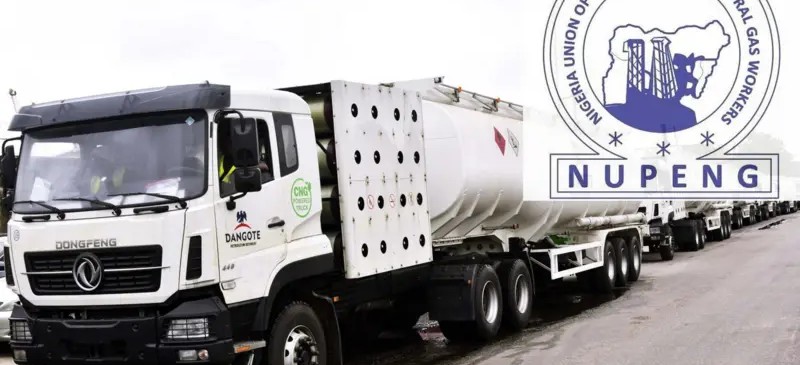
Operations at Nigeria’s USD 20 billion Dangote Refinery have come to a halt following a nationwide industrial action led by the Petroleum and Natural Gas Senior Staff Association of Nigeria (PENGASSAN). The union launched the protest on Sunday, alleging the unjust dismissal of over 800 workers—many believed to be union members.
This marks the first major disruption since the refinery, Africa’s largest, began operations earlier this year. PENGASSAN confirmed a complete shutdown of the refinery, while the second train of the fertilizer plant has also ceased operations. The first fertilizer train continues at reduced capacity, and while diesel production is ongoing, crude and gas supply lines have already been affected.
Dangote Industries has disputed the union’s claims, stating that only a minimal number of employees were laid off as part of an internal reorganization. The company denounced the union’s actions as “economic sabotage” and rejected accusations that Nigerians were being replaced by foreign workers, describing the union’s tactics as disruptive and dangerous.
Regulators, including the Nigerian Upstream Petroleum Regulatory Commission (NUPRC), are urging both parties to return to dialogue to avoid further instability in the refining sector. This latest crisis comes shortly after a court ruling favoured Dangote Refinery in a separate dispute with fuel truck unions, paving the way for direct distribution of refined products.
Read Also;
The ongoing unrest now threatens to derail Dangote’s ambitions to transform Nigeria’s downstream oil sector and reduce the country’s dependence on imported fuel. Analysts warn the strike could have wider repercussions across the energy supply chain, potentially undermining investor confidence and disrupting fertiliser and fuel output at a critical time for Nigeria’s economy.