


(3 Minutes Read)
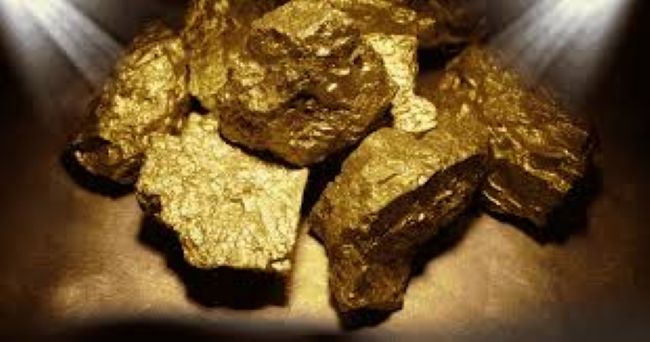
Kenya is edging closer to a transformative economic milestone following the confirmation of one of its largest gold finds in decades. British miner Shanta Gold Limited has verified the presence of 1.27 million ounces of gold—valued at USD 5.29 billion (Sh683 billion)—at the Isulu-Bushiangala underground project in Kakamega County.
This discovery marks a significant advancement for the country’s mining sector and could shift Kenya from a minor gold producer to a competitive player in Africa’s mineral industry. Shanta Gold’s Environmental Impact Assessment (EIA), submitted to the National Environment Management Authority (NEMA), proposes the development of a large-scale underground mine spanning approximately 337 acres in Kakamega South Sub- County. The project will be developed by Shanta Gold Kenya Limited, a subsidiary of the London-listed company, and will employ Long Hole Open Stoping, an advanced mining technique designed to reduce surface disturbance.
In its statement, the company emphasized that the project aims to secure full authorization to extract the Isulu-Bushiangala gold resources for economic benefit. It highlighted the project’s potential to spur local and national growth through job creation, business opportunities, and increased government revenue through taxes and royalties.
The project’s planned infrastructure includes:
- A 1,500-tonne-per-day gold processing plant
- A 12-megawatt power station
- A dedicated tailings storage facility
Construction is expected to cost between Sh22 billion and Sh27 billion, with the mine projected to operate for at least eight years. Despite currently producing only 410 kilograms of gold annually—far below leading African producers like Ghana, South Africa, and Sudan—Kenya has recently gained traction as an attractive mining investment destination. In the 2023 Fraser Institute Survey, the country ranked 6th in Africa for mining investment attractiveness.
This new gold discovery could significantly elevate Kenya’s position by shifting the sector from predominantly artisanal mining to large-scale industrial production. The EIA report estimates substantial economic returns through royalties, taxes, and community development funds. Under the Mining Act, 3% of gross gold sales will be paid as royalties, with 20% allocated to Kakamega County and 10% to local communities. Additionally, Shanta Gold will contribute 1% of the total gold output value directly to host communities, as required by the Community Development Agreement Regulations.
Economists note that the project could help diversify Kenya’s revenue base, reducing heavy reliance on tourism and agriculture while creating hundreds of jobs and stimulating local businesses. It is also expected to draw increased foreign direct investment.
Read Also;
However, concerns persist regarding land acquisition, displacement, and environmental impact, especially due to the project’s proximity to Kakamega Forest and nearby river systems. Shanta Gold has pledged to adhere to Kenya’s Land Act and international resettlement standards to mitigate potential social and environmental risks.
If approved by NEMA, the Isulu-Bushiangala project could establish Kakamega as Kenya’s new hub for industrial-scale gold mining—unlocking fresh economic opportunities for Western Kenya and contributing significantly to national growth.