

(3 Minutes Read)
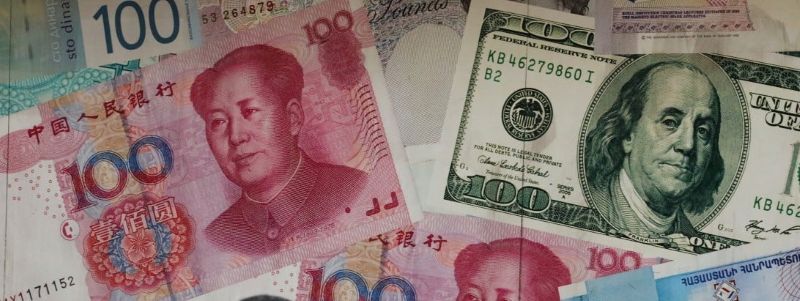
Kenya is poised to save approximately USD 250 million per year after successfully converting a USD 5 billion railway loan from the Export-Import Bank of China into Chinese yuan, Bloomberg reports. This move marks a significant step in reducing the financial strain of the country’s mounting debt burden.
The loan, originally used to finance the construction of the Standard Gauge Railway (SGR) linking Mombasa to the outskirts of Nairobi, has a remaining balance of USD 3.5 billion as of June 2024. The government has been paying nearly USD 1 billion annually toward Chinese debt obligations.
Kenya’s Treasury Secretary, John Mbadi, confirmed the currency switch as part of a broader strategy to diversify the country’s external debt portfolio and bolster fiscal resilience. The shift away from dollar-denominated debt helps mitigate the risks associated with currency volatility and rising global interest rates, especially amid uncertain U.S. economic engagement with Africa.
“Our debt is heavily concentrated in U.S. dollars,” Mbadi stated in Nairobi. “By converting part of it to renminbi, we are spreading the risk and reducing our exposure to one currency.”
The successful renegotiation reflects a broader trend among developing economies that are increasingly adopting China’s currency to access more affordable financing and shield themselves from exchange rate fluctuations. While Mbadi did not reveal the revised interest rates or repayment terms, he noted that Kenya had shelved plans to issue a panda bond due to unattractive borrowing costs.
Kenya currently faces significant fiscal challenges, with external debt standing at USD 40.5 billion as of March 2025. The country owes USD 14.4 billion to the World Bank, USD 7.52 billion to eurobond holders, and USD 5.04 billion to China. Payments to the Export-Import Bank of China alone are expected to make up about 25% of Kenya’s external debt servicing in the 2024–2025 fiscal year.
In response, Kenya is actively restructuring both its domestic and external debt to ease short-term repayment pressures and extend maturity timelines. It has refinanced three eurobonds at higher interest rates and is working on a USD 1 billion debt-for-food swap backed by the U.S. International Development Finance Corporation.
Additionally, the government plans to issue a diaspora bond worth between USD 250 million and USD 500 million, aiming to raise as much as USD 3.8 billion from Kenyans living abroad, according to Prime Cabinet Secretary Musalia Mudavadi.
Discussions with the International Monetary Fund (IMF) for a new funding program are also progressing positively, Mbadi said. “Engaging with the IMF may not always be comfortable, but it’s necessary to stay disciplined and on track,” he added.
Read Also;
https://trendsnafrica.com/chinese-to-charge-toll-on-last-leg-of-standard-gauge-railway-in-kenya/
Kenya’s fiscal space remains constrained, particularly after the government reversed controversial tax hikes following mass protests in 2024. The administration of President William Ruto continues to contend with unpaid supplier bills, rolled-over expenditures, and the heavy costs of infrastructure borrowing. By converting part of its Chinese debt into yuan and diversifying its borrowing sources, Kenya aims to stabilize its finances and better navigate a challenging global economic environment.