

(3 Minutes Read)
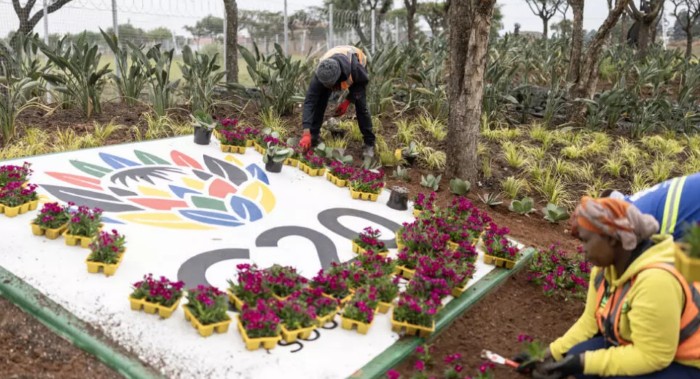
As global attention shifts to Johannesburg, South Africa is entering the final phase of preparations for the 2025 G20 Leaders’ Summit, set to begin Saturday at the Nasrec Expo Centre. The gathering is expected to be a pivotal moment for both South African diplomacy and the African continent’s expanding influence in global governance.
International Relations and Cooperation Minister Ronald Lamola announced on Monday that the country is fully prepared to welcome leaders from around the world. Forty-two countries have confirmed attendance, including all G20 members except the United States, which will send a lower-level delegation. Sixteen guest nations and six regional organisations representing Africa, the Caribbean and East Asia are also expected.
Lamola noted that both logistical and diplomatic arrangements are on track. Negotiations are already progressing on the South African Declaration, the summit’s joint communique, which the host nation hopes will capture a balanced, solutions-driven consensus reflecting the voices of the Global South.
South Africa’s presidency carries both symbolic and strategic weight. As the first African host of the G20, the country is using its leadership position to foreground African priorities and reshape global policy discussions. Lamola emphasised that South Africa’s approach is grounded in fairness, inclusion and a commitment to multilateralism that addresses the realities of developing nations.
The summit will centre on three main themes: inclusive and sustainable economic growth, building global resilience and advancing a fair future for all. Discussions will cover interconnected challenges such as trade reform, development financing, debt sustainability, climate adaptation, food security, energy transition, critical minerals governance, employment creation and responsible AI oversight.
The agenda reflects the interests of countries long excluded from major economic platforms. By prioritising issues like climate finance, just transition pathways and equitable access to new technologies, South Africa aims to promote development models shaped by local priorities rather than external pressures.
The presidency also dovetails with the African Union’s rising global standing following its 2023 induction as a permanent G20 member. Analysts expect the Johannesburg summit to push for a more inclusive form of multilateralism that acknowledges interdependence without reinforcing power imbalances.
Read Also;
Lamola said he is confident the summit will deliver outcomes that extend beyond symbolism, leaving a meaningful legacy for Africa and the wider Global South. The event comes at a time of heightened global instability—marked by economic fragmentation, geopolitical shifts and climate crises—making the call for systemic reform even more urgent.
With final preparations nearly complete, Johannesburg is set to become a key stage for global diplomacy, potentially reshaping future cooperation and confirming Africa’s place as an active architect of the world’s policy agenda.