


(3 Minutes Read)
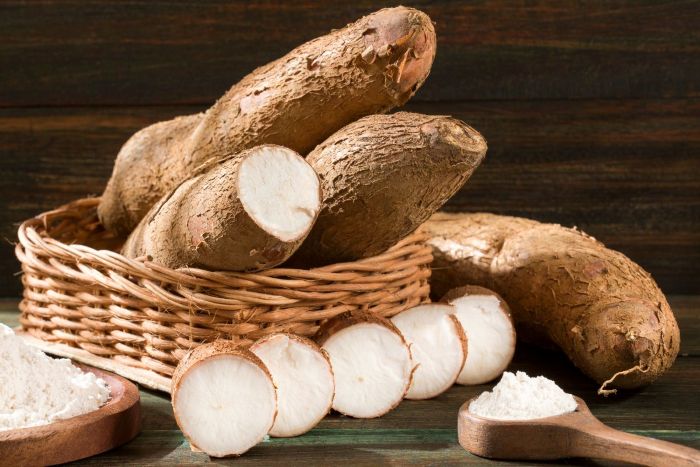
Cameroon’s Ministry of Trade announced that a renowned Indian company specialized in food imports has expressed strong interest in purchasing substantial volumes of dehydrated cassava from Cameroon for use in cattle and dairy feed.
Trade Minister Luc Magloire Mbarga Atangana described this development as “an excellent opportunity” with the potential to curb unemployment and bring in significant foreign exchange. He urged women’s associations and youth-led cooperatives to position themselves early in what he characterized as a rapidly expanding and highly promising market.
This interest from India comes at a strategic moment. Cameroon is increasingly promoting cassava as a viable alternative to imported wheat. The country imported between 800,000 and 1 million tons of wheat in 2023 at a cost of CFA 178 billion, according to Business in Cameroon. These heavy imports strain public finances and leave the country vulnerable to fluctuating global prices. Cassava, by contrast, is widely cultivated across Cameroon, and studies indicate that cassava flour is substantially cheaper per ton than processed imported wheat.
To enhance food security, reduce the burden of wheat imports, and strengthen local value chains, the government aims to incorporate more cassava flour into bread, pastries, and other food-industry products. The cassava sector is dominated by smallholder farmers—particularly rural women—whose livelihoods could be significantly improved by rising demand. Export opportunities, particularly from emerging markets like India, may stimulate production, spur investments in processing facilities, and increase incomes for women producers, contributing to their economic independence and reshaping the entire cassava value chain.
Read Also;
https://trendsnafrica.com/africa-produces-most-of-worlds-cassava/
As the African Continental Free Trade Area (AfCFTA) continues its implementation, Cameroon sees processed cassava products as potential competitive exports. Developing a consistent supply of high-quality dehydrated cassava for regional and global markets aligns with the country’s broader strategy to diversify and modernize its agricultural export portfolio. Nevertheless, key challenges must be addressed. Meeting international quality standards for dehydrated cassava, expanding industrial-scale processing, improving rural infrastructure, and reducing logistical bottlenecks are essential for competitiveness. The government reports that new processing plants, improved technical assistance, and enhanced support programs for producers are already underway to help the sector seize these emerging opportunities.