

(3 Minutes Read)
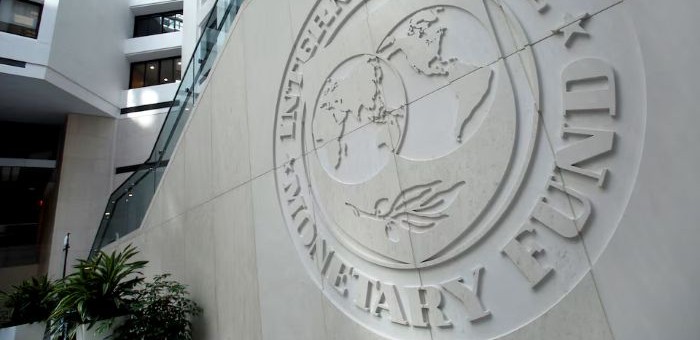
The International Monetary Fund (IMF) has commended Senegal for taking proactive steps to implement economic reforms and clarify its debt situation following revelations of financial misreporting under the previous government. According to IMF spokesperson Julie Kozack, the acknowledgment came from the Fund’s First Deputy Managing Director, Gita Gopinath, who highlighted Senegal’s cooperative stance in working with the IMF to rectify its fiscal data.
Last year, the IMF suspended disbursements under its financial support program with Senegal after an independent audit—initiated by newly elected President Bassirou Diomaye Faye—revealed that the country’s actual debt-to-GDP ratio for the end of 2023 was closer to 100%, a significant jump from the 74% previously reported. This discrepancy was attributed to underreported budget deficits by the former administration.
Despite this setback, the IMF expressed confidence in Senegal’s current leadership for its efforts to restore financial transparency and stability. These efforts are seen as crucial steps toward restoring credibility and securing the continued support of international financial institutions.
In addition to Senegal, the IMF also praised Ghana for its recent fiscal reforms. Kozack stated that the Ghanaian government’s mid-year budget review aligns well with the objectives of the IMF-supported economic program. The IMF highlighted several corrective measures taken by Ghana, including the formulation of a robust 2025 budget, a comprehensive audit of outstanding government payables to address fiscal overspending ahead of the elections, and legislative changes aimed at strengthening public financial management and procurement practices.
Read Also:
https://trendsnafrica.com/senegal-reaches-agreement-with-imf-for-a-us1-8-billion-bailout/
Furthermore, Ghana has adopted a strategic approach to address structural issues in its energy sector—an area long plagued by inefficiencies and financial losses. According to the IMF, these measures represent important progress in reinforcing fiscal discipline and restoring economic stability in both countries, signaling to international creditors and investors that governance and accountability are improving in West Africa.