


(3 Minutes Read)
When President Donald Trump froze foreign assistance and dismantled USAID in January this year, chaos and confusion followed in the country. More than nine months later, there is still little clarity.
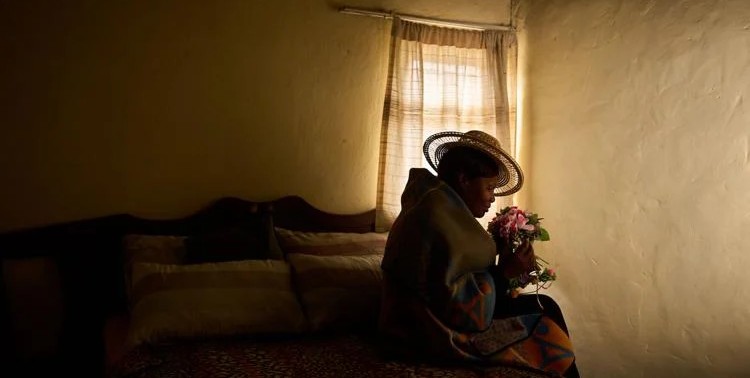
A devastating health crisis is unfolding in the mountainous kingdom of Lesotho for citizens living with HIV. In the wake of massive United States cuts to foreign aid, women are being forced to trek for hours with their babies only to find essential testing unavailable.
Health clinics, once vital lifeline for the most vulnerable, are shutting their doors and many staff are being laid off.
Unpaid nurses and other workers have been using informal networks to reach isolated communities, where people struggle to get care that had become regular. Despite much progress over the years, there are still an estimated 260,000 HIV-positive people living in Lesotho.
When President Donald Trump froze foreign assistance and dismantled USAID in January this year, chaos and confusion followed in the country. More than nine months later, there is still little clarity.
Much of Lesotho’s system to treat HIV-positive people is crumbling, and experts are sounding alarms, even as some US-funded programmes are temporarily reinstated. Lesotho has long had the world’s second highest HIV infection rate. But over the years, with nearly USD 1 billion in US aid, it made notable progress and hit key milestones in its fight against the epidemic.
That means 95 per cent of people living with HIV to know their HIV status, 95 per cent of those diagnosed to be on sustained antiretroviral therapy (ART), and 95 per cent of those on ART to have a suppressed viral load. This put Lesotho on track to meet its target in the United Nations Program on HIV/AIDS (UNAIDS) strategy to help end the AIDS epidemic by 2030. The US State Department says its six-month bridge programs will ensure continuity of lifesaving efforts. But HIV-positive residents and former health workers said the chaos that has reigned this year has caused irreparable harm.
Lesotho’s health officials added that the cuts would lead to increased transmission, more deaths, and higher health costs. The chairperson of Lesotho’s legislative health committee, Mokhothu Makhalanyane, said the impact was huge, estimating the country was set back at least 15 years.Experts with UNAIDS warned in July that up to four million people worldwide would die if funding was not reinstated.
Read Also:
US State Department officials are reportedly working with Lesotho on a multiyear agreement on funding. Those negotiations will likely take months, and while programs may have been reinstated on paper, experts say restarting them on the ground takes considerable time.