


(Minutes Read)
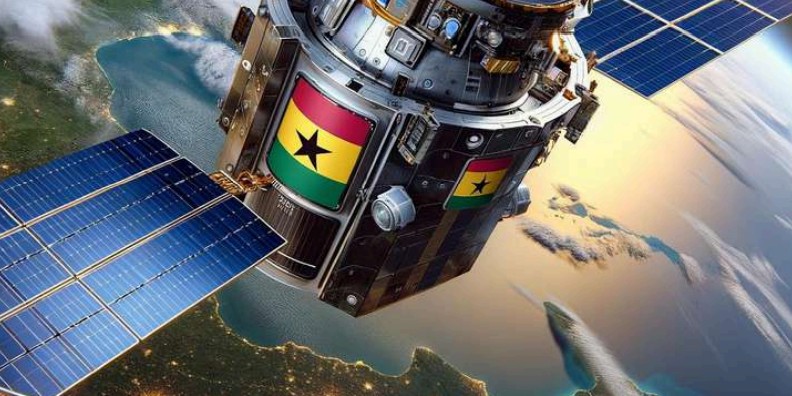
Ghana’s Minister for Lands and Natural Resources, Emmanuel Armah-Kofi Buah, has laid out an ambitious roadmap for Ghana’s future in space science and technology, affirming the government’s resolve to shift from being a user to a creator of space-based innovations.
Speaking at the inaugural Ghana Space Conference at the University of Ghana in Accra, Buah described space technology as an essential catalyst for national development and human progress. He stressed that embracing space science is crucial for addressing major national issues such as climate change, illegal mining, and food insecurity — not a luxury, but a necessity.
Citing everyday uses like GPS and weather forecasting, the Minister emphasized the critical role space technology already plays in Ghanaians’ lives. He announced that Ghana has endorsed three major policies, including a National Space Policy, aimed at securing the country’s place in Africa’s growing space economy.
The government’s support for the conference aligns with a broader mission to integrate space applications across key sectors. Buah highlighted how satellite data can aid in forest monitoring, agricultural planning, and climate resilience, as well as enhance trade and logistics under the African Continental Free Trade Area (AfCFTA).
Outlining four strategic commitments, the Minister said Ghana will:
- Train a new generation of scientists, engineers, and tech entrepreneurs;
- Establish institutional structures like a national space agency;
- Invest in research and innovation infrastructure; and
- Strengthen international and regional space partnerships.
Declaring Ghana’s readiness to lead, Buah reaffirmed, “We are serious about space… Ghana is ready to stand tall and contribute.”
Read Also;
The conference, attended by scientists, government officials, and private sector leaders, marks a significant step in positioning space science as a national priority and a foundation for sustainable development.