


(4 Minutes Read)
Nobel laureate economist Joseph Stiglitz, chair of the G20 inequality panel, notes the extreme disparities that have developed globally in recent decades needs to be addressed threadbare. There is an urgent need to address inequality and expand opportunities for all citizens to provide for an inclusive growth model.
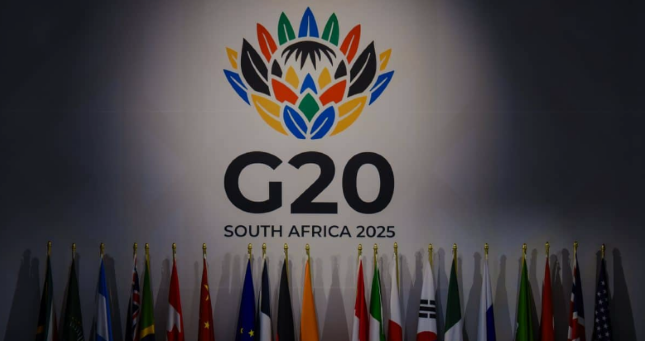
For the first time, the Group of 20 (G20) – the world’s most influential economic forum – meets on African soil, shifting Africa from the margins of global commentary to the center of global agenda. The important meeting which will bring “who is who” in the global political architecture, will give a structured platform to discuss global issues with particular reference to Africa.
Some of the stark realities facing the continent, such as poverty, destitution, unemployment, debt traps, climate change, energy transition, etc; will receive traction at the summit. Experts feel that though absence of the US delegation from the inaugural and subsequent sessions may dampen the expectations from the summit, it is however, a redeeming feature that the US officials have agreed to participate at the closing session. The rationale for that change of mind might have been influenced by the fact that the US is the next destination for organizing G20 summit for 2026.
Experts feel that Africa’s presence in the global platforms have to be more visible and enhanced as it deserves more in every sense.The Africa driving fintech adoption, renewable innovation, cultural influence, and demographic momentum. It is not the same Africa cast in decades-old perception. Its graduation from a fringe player to an active participant is influenced by many factors including mineral wealth, potential to grow, demographic advantage, and profiles of certain economies I the region vying to enter high growth club of nations.
Economic significance of the summit is not in the backburner. Experts feel that subjects like capital, development finance, and long-term partnerships, etc will be discussed threadbare at the summit, with visible relevance to Africa in retooling its policy framework.
Climate finance is another issue that bothers the continent with 1.3 billion people and limited resources to address the issue. Africa produces less than 4% of global emissions yet only receives 3–4% of climate finance. This mismatch is fuelled by narratives that cast Africa primarily as a site of vulnerability rather than opportunity.
Meanwhile, African markets are defining the frontier of mobile-first innovation, yet global reporting rarely reflects this leadership – shaping how DPI partnerships are prioritized. Also, Africa holds vast renewable potential, but international narratives often flatten the sector. This directly influences investor appetite.
Issue of inequality in Africa, which remains a pressing concern three decades after apartheid is a matter of concern. Nobel laureate economist Joseph Stiglitz, chair of the G20 inequality panel, notes the extreme disparities that have developed globally in recent decades needs to be addressed threadbare. There is an urgent need to address inequality and expand opportunities for all citizens to provide for an inclusive growth model.
Read Also:
Africa often struggles to access global markets on equal terms. Discussions at the G20 around trade barriers, value chains and industrialization can help open up pathways for African products. Better access to markets means farmers, artisans and manufacturers can earn more for their work.