


(3 Minutes Now)
For decades, South Africa has reigned supreme as Africa’s wine ambassador, exporting award-winning vintages across Europe, Asia, and North America. But a quiet transformation is taking shape further north — in a country more famous for its coffee than its cabernets. Ethiopia is emerging as an unexpected yet promising player in global winemaking, positioning itself as the continent’s next wine powerhouse.
The roots of Ethiopia’s wine revolution lie in its geography. Vineyards nestled at altitudes between 1,600 and 2,000 metres above sea level benefit from cool nights, rich volcanic soils, and naturally lower pest pressures — conditions comparable to some of the world’s premier wine-producing regions. This high-altitude terroir gives Ethiopian vintners a unique edge.
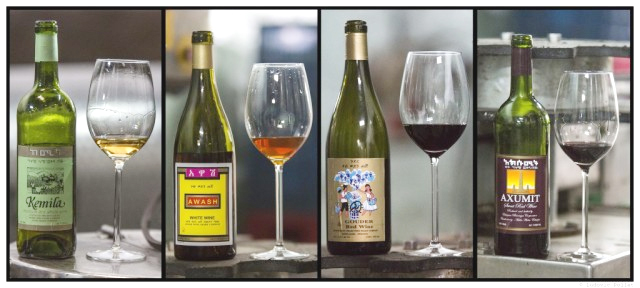
A key catalyst in this transformation was the arrival of Castel Winery, launched by France’s Castel Group in Ziway. Blending international expertise with local potential, Castel introduced wines like the Rift Valley Merlot and Syrah, which are already gracing store shelves across Europe and Asia. The fusion of terroir and technology has helped establish Ethiopia as a serious player in viticulture.
While coffee remains Ethiopia’s iconic export, wine is adding a new layer to its economic narrative. A growing domestic market — driven by an expanding, youthful middle class — is boosting demand at home. Meanwhile, tourism is contributing to wine’s appeal, with travelers increasingly drawn to vineyard experiences set against Ethiopia’s dramatic landscapes.
On the international stage, Ethiopian wine exports are gaining momentum, helping shift global perceptions. Though South Africa still dominates Africa’s wine output, Ethiopia is proving that the continent’s viticultural story is far from one-dimensional. Its rise represents both competition and complementarity — enriching Africa’s voice in the global wine dialogue.
And Ethiopia isn’t alone. Countries like Kenya, Zimbabwe, and Namibia are nurturing boutique wine industries, while Morocco and Tunisia continue to serve niche European markets. Still, Ethiopia’s rapid ascent stands out, underscoring how climate advantage, strategic investment, and global partnerships can spark new industries across Africa.
Read Also;
https://trendsnafrica.com/south-africa-keen-to-enter-kenyan-wine-market/
Though still in its infancy, Ethiopia’s wine sector is built on a strong foundation. With sustained investment, smart branding, and a focus on quality, its wines could soon join its coffee on international menus. Africa’s vineyards are growing — and Ethiopia is raising a bold toast to the future. Africa’s vineyards are expanding, and Ethiopia is raising a glass to the future.