


(3 Minutes Read)
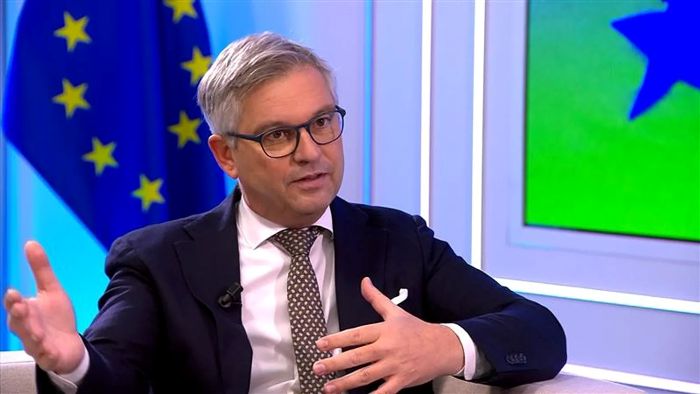
European Union Commissioner for Migration Magnus Brunner emphasized that Malta’s longstanding cooperation with Libya plays a decisive role in shaping an effective EU-wide response to irregular migration across the Mediterranean. Speaking to the Times of Malta during the MED5 summit of Southern European states, Brunner described Malta as a “central pillar” in Brussels’ wider strategy to curb unauthorized crossings.
Brunner acknowledged that the EU faces persistent criticism from human rights groups regarding the conduct of the Libyan Coast Guard. He stated that the Union remains open to investigating any allegations of abuse or violations. However, he maintained that disengaging from Libya is not a viable option, given the country’s pivotal position on major migration routes leading toward Europe. According to Brunner, Libya’s geographical and political significance makes collaboration with its authorities an essential component of the EU’s evolving migration framework.
Reflecting on the results of Malta’s bilateral agreement with Libya—signed nearly five years ago—Brunner highlighted a dramatic reduction in arrivals. Irregular migration to Malta dropped by roughly 90%, falling from 2,281 arrivals in 2020 to just 238 in 2024. He described this decline as clear proof that coordinated, on-the-ground cooperation with Libya can produce tangible outcomes.
Read Also;
https://trendsnafrica.com/eu-to-take-up-migration-issue-with-libya/
The Commissioner further underlined that the EU’s new migration policy is built on strengthening partnerships with “third countries” in the southern Mediterranean, with Libya at the forefront. These partnerships, he said, involve a mix of voluntary returns, structured repatriation efforts, and initiatives targeting human-smuggling networks. Brunner reiterated that Europe cannot achieve lasting stability on migration solely through internal measures; sustainable solutions, he argued, must begin well beyond EU borders. For this reason, he said, engagement with Libya will continue to be both a strategic necessity and a humanitarian imperative.