

(3 Minutes Read)
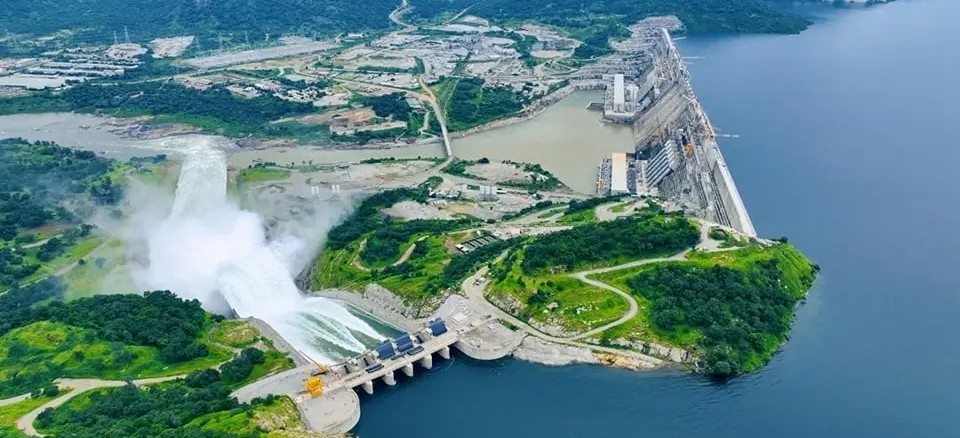
Ethiopian Prime Minister Abiy Ahmed announced that the long-anticipated inauguration of the Grand Ethiopian Renaissance Dam (GERD) will take place in September, aligning with Ethiopia’s New Year celebrations. This ceremony will mark the official completion of a transformative USD 4.2 billion infrastructure project that has been a focal point of geopolitical tension between Ethiopia, Egypt, and Sudan for over a decade.
Located on the Blue Nile River, just near the border with Sudan, GERD is poised to become a cornerstone of Ethiopia’s energy strategy. Once fully operational, it is projected to generate 6,450 megawatts (MW) of electricity—more than doubling Ethiopia’s current energy output. This expansion not only aims to meet domestic electricity demands but also to establish Ethiopia as a major regional power exporter, bolstering its economic influence in East Africa.During a recent parliamentary address on the national budget, Abiy described GERD as a continental achievement: “This is not just Ethiopia’s dam; it is a symbol of African resilience and development.”
Construction of the dam began in 2011 and has relied almost entirely on internal funding sources. The Ethiopian government financed the massive undertaking through national bond sales, grassroots fundraising campaigns, and voluntary contributions from citizens, framing the project as a patriotic duty and a demonstration of economic self-reliance.
However, GERD has also been the center of an international dispute involving downstream nations. Egypt, which depends on the Nile River for approximately 97% of its freshwater supply, fears that the dam could restrict water flow and threaten its vital agriculture and water security. Sudan, situated between Ethiopia and Egypt, has also expressed apprehensions—particularly concerning the dam’s structural integrity and the implications for its own dams and water systems.
Despite multiple rounds of African Union-led negotiations over the years, the three countries have yet to reach a binding agreement on water usage rights or dam management protocols. Ethiopia maintains that GERD is designed with downstream interests in mind and argues that it will not cause significant harm to neighboring countries. In a gesture aimed at easing tensions, Addis Ababa has formally invited Egypt and Sudan to participate in the upcoming inauguration, though neither country has publicly confirmed attendance or issued a response.
Beyond its diplomatic implications, Ethiopian authorities emphasize the dam’s developmental benefits. The reservoir, capable of holding 74 billion cubic meters of water, is expected to help regulate the seasonal flow of the Nile, minimize flood risks, and provide millions with access to affordable electricity.
The dam’s reservoir has already gone through several phases of filling—actions that previously triggered sharp protests and diplomatic backlash from Cairo and Khartoum. In July, Ethiopia’s state-owned energy provider, Ethiopian Electric Power (EEP), reported that two more turbines were brought online, pushing GERD’s current operational output above 2,000 MW.
Read Also;
https://trendsnafrica.com/grand-ethiopian-renaissance-dam-dispute-moves-to-the-african-union/
This milestone comes at a critical time for Ethiopia, which is striving to present a narrative of recovery and renewal after years of domestic unrest and regional strife. Ethiopian leaders see GERD not only as an infrastructure feat but also as a symbol of national unity, economic revival, and continental leadership in clean energy development. When fully operational, GERD will be the largest hydropower plant in Africa, and Ethiopian officials consider it vital to their broader vision of economic transformation and energy security for the region.