


(3 Minutes Read)
A new trend in animal husbandry is taking root in East Africa, with Russian dog breeds spearheading a growing dog farming industry in Tanzania’s Northern Zone and parts of Kenya. Arusha, traditionally recognized as Tanzania’s top livestock hub due to its large cattle population, is now diversifying into canine farming. High-value dog breeds are being imported directly from Moscow and other European countries to support this emerging venture.
At the forefront of this development is the Caucasian Shepherd, a powerful and protective breed from Russia. This dog has rapidly gained popularity across farms in northern Tanzania and Kenya due to its strength, loyalty, and suitability for security purposes. The breed’s capabilities have made it a favourite among private homeowners and security firms alike.
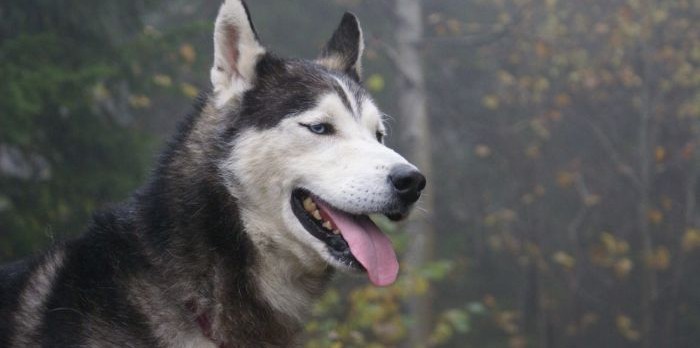
In addition to the Caucasian Shepherd, several other exotic and premium dog breeds have entered the East African market. These include the Husky, originally from Russia and also sourced from Poland; the Boerboel, a sturdy guard dog from South Africa; the German Shepherd, commonly imported from Poland and Serbia; the Doberman, widely available from various parts of Europe; the Saint Bernard, sourced from Romania; and the Maltese, a smaller companion breed from Malta.
According to Nondo Oscar, the Executive Director of Arusha Boerboel Dog Farm and Lodge, the dog rearing sector is still in its early stages, but interest is gradually increasing. Speaking during the Northern Zone’s Nane-Nane Agricultural Exhibition in Arusha, Oscar noted that a strong network of dog breeders in Arusha and Nairobi is actively working together to maintain breeding quality and meet rising demand.
Oscar explained that while dog keeping is slowly gaining traction, many people remain unfamiliar with or uninterested in the industry. However, this is changing as awareness spreads. He emphasized that the business can be costly at the start. Importing a pedigree dog may cost between TSh 15 million and TSh 30 million, and their food and care requirements add to the overall expenses. Nonetheless, Oscar pointed out that the return on investment is usually swift and profitable when pursued with genuine passion. He stressed that raising dogs should be driven by love for the animals, suggesting that it should be seen more as a fulfilling hobby than a purely commercial venture, even though it can generate substantial income.
One of the primary factors driving demand for these breeds is the rising need for security. Urban homeowners, faced with increasing safety concerns, are opting for trained dogs as more reliable alternatives to human security personnel. Police departments and private security firms are also investing in guard dogs for patrol and surveillance operations. Beyond security, dogs are being trained as service animals to assist individuals with disabilities, serve as escorts, or even carry out small delivery tasks.
Read Also:
However, dog keeping is not solely functional. Many women and children are also purchasing dogs as pets and companions, preferring gentle and sociable breeds like the Maltese and Saint Bernard. As interest continues to grow and more people recognize the benefits of owning well-trained, imported dogs, canine farming is poised to become a significant new frontier in East African agribusiness, with Arusha leading the charge in this unique shift toward dog rearing.