


(3 Minutes Read)
The Trump administration did not send high-level negotiators to the talks and is in the process of withdrawing from the Paris Agreement for a second time.
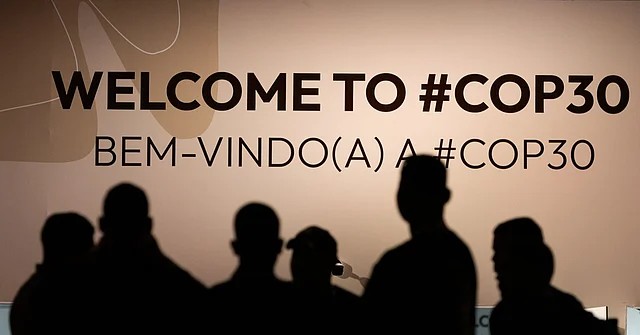
United Nations climate negotiations, which opened Monday on the edge of the Brazilian Amazon, with host leaders invoking Indigenous concepts of collective action to push for accelerated progress, even as the absence of high-level U.S. negotiators underscored deep geopolitical divisions. Outgoing COP29 President Mukhtar Babayev, who insisted that financial donors must “deliver in full” and warned that “the changing world is no excuse for backtracking” on climate commitments.
Brazilian President Luiz Inácio Lula da Silva delivered a stark address, warning that global warming “could push millions of people into hunger and poverty, undoing decades of progress.” He highlighted the disproportionate impact on vulnerable groups and emphasized the essential role of Indigenous territories in mitigation.
In a powerful critique of global spending priorities, Lula stated, “If the men who make war were here, they would realize that it’s much cheaper to put US$ 1.3 trillion toward solving the climate crisis than to spend 2.7 trillion dollars on war. US is not participating in the meet.
The Trump administration did not send high-level negotiators to the talks and is in the process of withdrawing from the Paris Agreement for a second time.
Read Also:
https://trendsnafrica.com/world-leaders-arriving-in-brazil-for-cop30/
This move creates a significant headwind for the conference, as other nations gather in Belém to celebrate the accord as a foundational, if partial, achievement in the thirty-year fight to curb carbon pollution.