

(Minutes Read)
The contest for the future of De Beers is heating up, as Angola has formally submitted a fully funded bid for a minority stake in the diamond giant—just as Botswana intensifies its push for majority ownership. The development marks a significant shift in the global diamond industry, signaling a new era in which African countries are asserting greater control over resources historically dominated by foreign interests.
This power shift follows Anglo American’s decision to divest its 85% stake in De Beers after nearly 100 years of partnership. The global mining group is pivoting its focus toward copper and other base metals, key to the energy transition. Botswana holds the remaining 15% of De Beers and is determined to increase its stake.
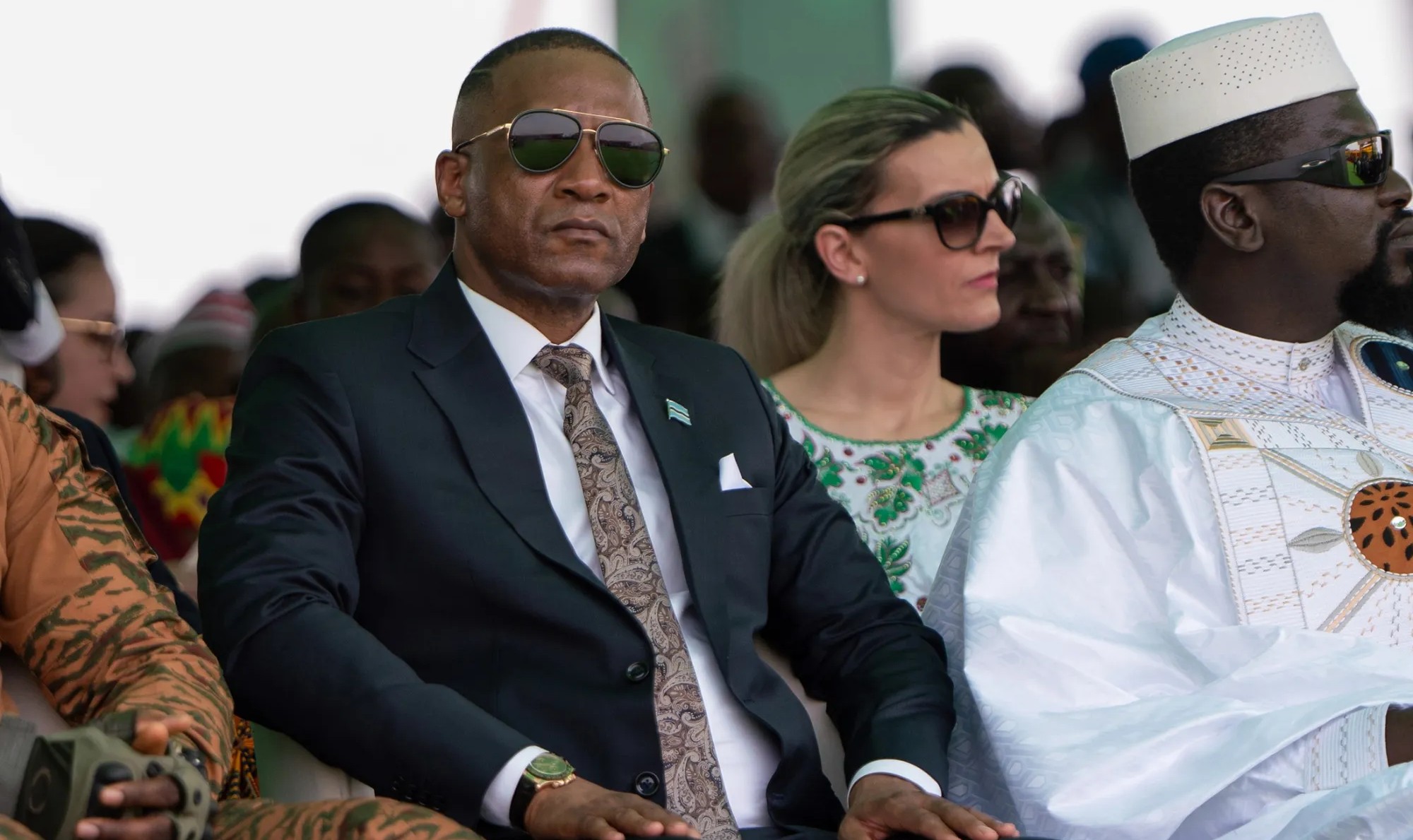
Speaking in New York, Botswana’s President Duma Boko described diamonds as a “strategic national asset” and reaffirmed his government’s commitment to securing a controlling interest. “We are more than ready for the transaction and have said it must be concluded by the end of October. This is a matter of economic sovereignty,” Boko said. The country is currently in talks with potential investors, including the Oman Sovereign Wealth Fund, to finance the bid.
A day later, Angola’s Minister of Mineral Resources, Petroleum and Gas, Diamantino Pedro Azevedo, confirmed Luanda’s intention to acquire a minority stake in De Beers. He stressed that the offer is fully financed and aimed at promoting balanced international ownership. “Our proposal encourages a partnership among Botswana, Namibia, South Africa, and Angola—ensuring no single country dominates,” Azevedo stated.
Angola’s interest comes amid sweeping reforms in its mining sector, aimed at attracting foreign investment and fostering diversification. Industry analysts view Angola’s move as both strategic and defensive—seeking to prevent Botswana from monopolizing control while positioning itself in one of the world’s most prominent diamond producers.
Botswana, meanwhile, remains the cornerstone of De Beers’ production, contributing more than two-thirds of its output. However, sustaining this role will require substantial new investment to extend the life of aging mines. Angola is widely considered a key site for the next major diamond discovery, but its largely untapped reserves require significant capital for development.
While Botswana holds pre-emptive rights within De Beers, these may not be sufficient to secure majority control. Still, President Boko has insisted that a controlling stake is vital to ensuring long-term national sovereignty over the country’s resources.
Some observers suggest a collaborative solution could emerge, with Botswana and Angola potentially joining forces alongside global financial partners such as Oman. Such an arrangement would represent a break from past models dominated by Western corporations and reflect the growing assertiveness of African states in managing their natural wealth.
Read Also;
For Anglo American, the decision will ultimately hinge not only on financial offers but also on the strategic vision for De Beers’ future. CEO Duncan Wanblad has confirmed active talks with Botswana and reiterated the company’s preference for a direct sale—if a suitable buyer can be found. The outcome of this high-stakes contest could redefine ownership and influence in the global diamond trade, highlighting broader issues of sovereignty, resource nationalism, and the evolving role of African nations in managing their own mineral wealth.