


(3 Minutes Read)
The product is sold commercially, providing beekeepers with an alternative livelihood to charcoal production or clearing forests for agriculture.
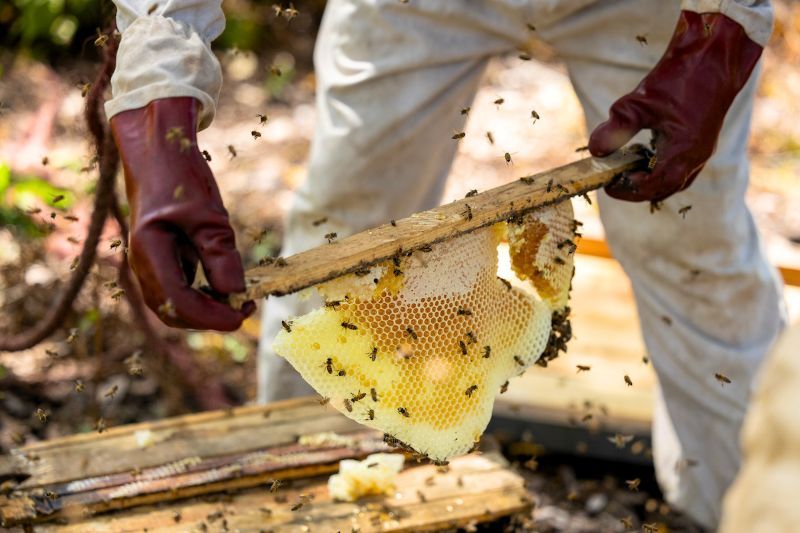
In Zambia’s rural Copper Belt region, beekeeping is emerging as an important occupation for many. In the past, traditional beekeepers used destructive practices including cutting down trees to get to the honey in hives made by bees. Now, several NGOs and businesses have introduced these wooden hives to increase honey production in an environmentally-friendly way and protect the forests.
The product is sold commercially, providing beekeepers with an alternative livelihood to charcoal production or clearing forests for agriculture. According to a 2023 study carried out in the region by Bees for Development, sustainable beekeeping incentivises boosted local forest conservation.
Bees need intact forests to pollinate flowers, and when beekeepers make an income from trees, they become conservationists, as Nkunkwilwa explains. Deforestation is a serious concern in Zambia. The country lost 11 per cent of its tree cover between 2001 and 2024, according to Global Forest Watch.
While traditional beekeeping played a relatively small role, clearing forests for agriculture and burning trees to make charcoal have been significant drivers of this forest loss.
Read Also:
https://trendsnafrica.com/a-sweet-milestone-tanzania-exports-first-honey-shipment-to-china/
Ecologists say the impact modern beekeeping is making on forest conservation is being felt, and keeping them intact is also a key way to help mitigate climate change as trees absorb carbon dioxide.