

(3 Minutes Read)
To reverse the damage, the Moroccan government has launched reforestation projects that include planting argan trees alongside crops like capers to improve soil and water conditions. But newly planted trees are not yet producing fruit.
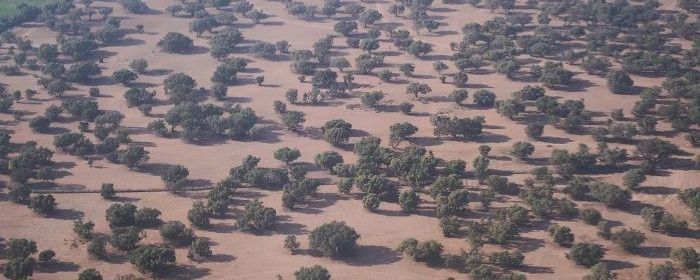
Morocco’s growing argan oil industry, often referred to as producing “liquid gold,” is placing increasing pressure on the country’s fragile argan forests. Once covering more than 14,000 square kilometers, the forest area has declined by nearly 40 percent in recent decades.
Experts cite climate change and overgrazing as major causes. For many rural women, argan oil production is one of the few reliable sources of income. Forests are often managed through a traditional community-based system known as the Agdal, which sets specific times for harvesting to allow the forest time to regenerate.
To reverse the damage, the Moroccan government has launched reforestation projects that include planting argan trees alongside crops like capers to improve soil and water conditions. But newly planted trees are not yet producing fruit.
Read Also:
Some cooperatives warn that harvesting before the proper season may harm the trees and reduce oil quality. Despite the global price of argan oil climbing to US$60 per liter from just US$2.50 three decades ago, workers say they continue to earn very little.