

(3 Minutes Read)
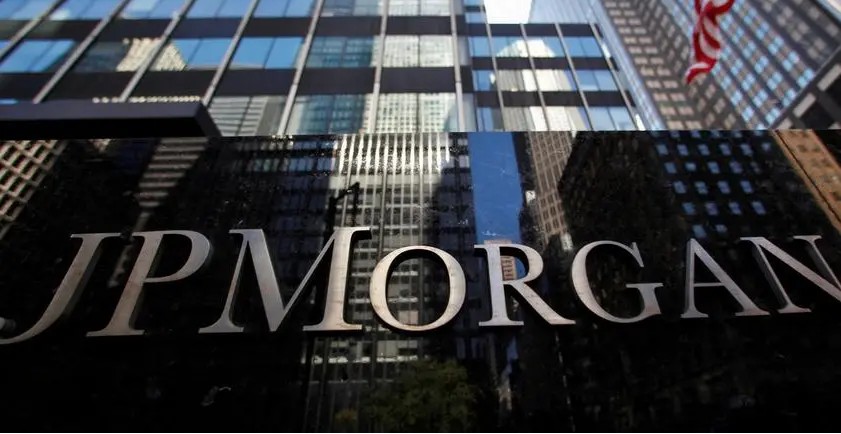
Angola has retrieved USD 200 million in collateral from JPMorgan Chase after a rise in the market value of its sovereign Eurobonds. This development is tied to a $1 billion total return swap arranged in December 2024, according to a statement from the Angolan Ministry of Finance. The funds were returned in May after the bonds regained their value, reversing losses from earlier in the year.
The Ministry explained that the bond recovery allowed Angola to reclaim collateral posted during a margin call earlier in 2025, improving the country’s liquidity and fiscal outlook. The total return swap—a rarely used method in sovereign finance—involved USD 1.9 billion in Eurobonds maturing in 2030. Although used as collateral, these bonds did not generate immediate government revenue. The structure included two tranches, with JPMorgan disbursing USD 600 million and USD 400 million respectively.
A margin call was triggered in April after falling oil prices—driven by global trade tensions—caused Angola’s bond value to drop from par to 86 cents on the dollar. When the bonds rebounded in May, the USD 200 million in collateral was released and returned to the state. JPMorgan has not commented on the transaction.
The deal reflects a broader trend among heavily indebted African nations using complex and opaque financing mechanisms due to limited access to traditional markets. The African Development Bank reports Africa’s total debt has surpassed USD 1.8 trillion, pushing countries toward riskier funding tools.
Analysts have expressed concern over the sustainability of such financial instruments, highlighting the risks of margin calls, elevated borrowing costs, and reduced fiscal transparency. The IMF recently downgraded Angola’s 2025 GDP growth projection from 3.0% to 2.4%, citing low oil prices and tougher financing conditions.
Read Also;
https://trendsnafrica.com/jp-morgan-ceo-to-travel-to-select-african-countries/
Domestically, the government faces unrest following cuts to fuel subsidies, which led to steep price increases and protests in urban areas. Meanwhile, demand for better infrastructure and public services is rising amid tight social spending. While the Eurobond rebound offers short-term relief, Angola’s increasing use of derivative-based finance remains controversial and is likely to face continued scrutiny over transparency and fiscal responsibility.