

(3 Minutes Read)
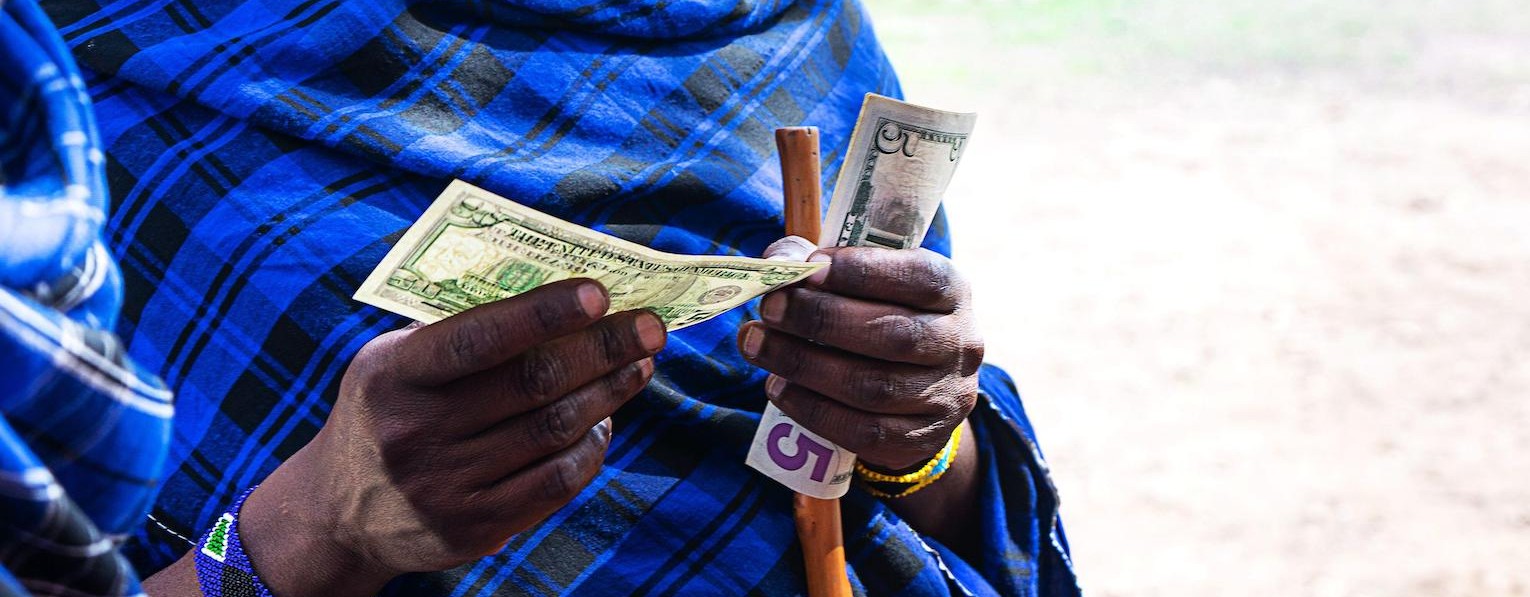
A recent report by the African Export-Import Bank (Afreximbank) has highlighted widespread depreciation across African currencies, revealing persistent foreign exchange (FX) pressures that continue to challenge the continent’s economic resilience. The findings, published in the June 2025 edition of Monthly Developments in the African Macroeconomic Environment, point to ongoing financial vulnerabilities, despite commendable economic reforms and moderate growth in various regions.
According to the report, nearly half of all African currencies weakened in May 2025. The data reflects the sustained FX challenges facing many countries, even as policymakers push through structural reforms and benefit from a relatively stable economic landscape. The analysis uncovered significant disparities in currency performance, illustrating how domestic fiscal instability and global economic dynamics are affecting national economies unevenly.
While some nations showed signs of monetary strength, the broader picture was more concerning. Countries like Ghana, South Africa, Namibia, and Eswatini experienced modest currency appreciation, and others, including Kenya and Liberia, maintained relative stability. However, at least ten African nations recorded notable currency depreciations, signaling mounting economic stress in certain regions.
Among the largest movements, Ghana’s cedi experienced a dramatic drop, falling 21.5% month-on-month and 10.6% year-on-year. It traded at 10.3 to the U.S. dollar in May, down sharply from 13.9 during the same period in 2024. Nigeria’s naira gained 2.1% in May compared to April but remained 11.5% lower than a year earlier, underscoring its long-term fragility. South Africa’s rand saw a slight depreciation of 0.7% year-on-year, slipping from 18.1 to 17.8 rand per dollar between April and May.
Beyond currency performance, the report also sheds light on Africa’s trade activity. Total trade across the continent dropped from USD 125.9 billion in January 2025 to USD 120.8 billion in February, while intra-African trade decreased slightly from $18.6 billion to USD 18 billion. Despite these short-term setbacks, both figures were higher than the previous year’s levels. Intra-African trade, in particular, grew by 5.6% year-on-year, thanks in part to growing regional integration through the African Continental Free Trade Area (AfCFTA).
On the fiscal front, the report noted progress in the continent’s credit profile. A number of African countries received credit rating upgrades, supported by recent economic reforms and better fiscal governance. Nigeria, for example, received positive assessments from Fitch and Moody’s, leading to a significant 250 basis point drop in Eurobond yields for its June 2031 issue. Ghana, which defaulted selectively in 2024, was upgraded to CCC+ by S&P following a successful Eurobond restructuring and improved fiscal prospects.
Other countries also saw improved ratings. Benin moved up to BB- on account of robust fiscal performance, while South Africa retained its BB- rating from S&P. However, the ratings agency cautioned that South Africa must take stronger action to tackle fiscal challenges and stimulate economic growth.
Encouragingly, several African nations have returned to international capital markets, buoyed by a more favourable global interest rate environment. Countries such as Nigeria, Angola, Egypt, Côte d’Ivoire, Senegal, and Morocco have successfully issued Eurobonds, reflecting renewed investor confidence and increased financial credibility. Afreximbank described this resurgence as a sign of growing resilience across African economies.
Read Also:
https://trendsnafrica.com/de-dollarisation-in-cross-african-trade-can-save-over-usd-5-billion-study/
Despite these positive trends, the report warned that the continent remains exposed to significant external risks, including stagflation concerns, tighter global financial conditions, ongoing geopolitical tensions, and a sluggish global trade recovery. To address these vulnerabilities, Afreximbank urged African governments to enhance internal policy frameworks, reinforce fiscal buffers, and accelerate long-term structural reforms.
In conclusion, while signs of improvement and resilience are evident, the broader picture remains complex. Africa’s path to sustained economic stability will depend on its ability to weather external shocks and implement lasting policy solutions.