

(3 Minutes Read)
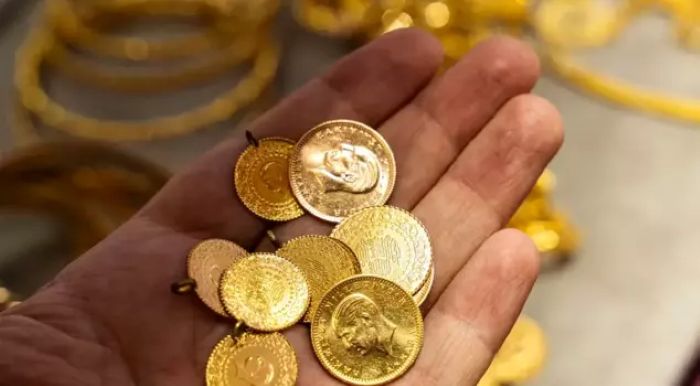
Goldman Sachs has warned that gold prices could approach USD 5,000 per ounce if investor confidence in US financial institutions erodes due to political interference with the Federal Reserve. The investment bank highlighted that efforts by former President Donald Trump to undermine the Fed’s independence could lead to a shift away from stocks, bonds, and the US dollar, sparking increased demand for gold as a safe-haven asset.
Gold has already surged 36% in 2025, nearing a record high of USD 3,596 per ounce on the Comex exchange. Analysts at Goldman emphasized that the Fed’s autonomy is a key pillar of market trust. Undermining this could trigger a “tail risk” scenario involving inflation, weaker stock markets, higher borrowing costs, and a diminished global role for the dollar — all conditions that would favor gold.
Even a small shift of 1% of private investment from US Treasuries into gold could push prices toward USD 5,000, according to the bank. Within commodities, Goldman Sachs views gold as its top long-term investment recommendation.
The political backdrop is crucial. Trump has repeatedly criticized Fed Chair Jerome Powell and Governor Lisa Cook and suggested replacing them with loyalists favouring lower interest rates. This raises fresh concerns about central bank independence and its role in containing inflation.
Meanwhile, US economic signals are mixed. Job openings have fallen sharply, and private payroll data points to a weakening labor market. A rate cut is widely expected in September, though Fed officials remain split over the appropriate path for interest rates.
These global developments have significant implications for Africa and the Global South. As major gold exporters, countries like South Africa, Ghana, and Sudan could see fiscal and currency gains from a gold price rally. Higher revenues may support public investment and boost foreign reserves. However, reliance on gold and other raw commodities comes with vulnerabilities. Price volatility can mask structural economic weaknesses, such as a lack of diversification or exposure to global shocks. South Africa, for instance, must balance the benefits of higher prices with internal challenges like energy constraints and labor disputes.
There are also broader monetary policy implications. While rising gold prices could enhance creditworthiness and reduce borrowing costs for exporters, countries dependent on the dollar may face pressures from a depreciating US currency and rising global inflation. In such cases, the gains from stronger gold prices could be eroded by higher import costs.
Read Also:
https://trendsnafrica.com/soaring-gold-price-boost-the-fortune-of-south-african-mining-companies/
Bitcoin’s recent dip to around USD110,700 further emphasizes that in times of uncertainty, investors still favour the traditional security of gold. For Africa, this underscores the enduring relevance of physical commodities in a shifting financial landscape. Ultimately, while rising gold prices present opportunities for Africa, long-term resilience will depend on economic diversification, regional trade integration, and improved resistance to external shocks.