

(3 Minutes Read)
The African Development Bank Group (AfDB) has endorsed a substantial financing package of USD 1.78 billion for Namibia as part of its newly approved Country Strategy Paper (CSP) for 2025–2030. This long-term development blueprint is designed to help Namibia overcome persistent structural hurdles while accelerating progress in infrastructure, human capital, and economic diversification.
Providing context on the strategic priorities, Moono Mupotola, the AfDB’s Deputy Director General for Southern Africa and Country Manager for Namibia, emphasized that the five-year programme is crafted to confront deep-rooted inequality and systemic constraints that have hindered broad-based growth.
According to Mupotola, the new strategy is a “turning point” for Namibia’s development trajectory. She explained that by concentrating resources on critical infrastructure and strengthening the country’s skills base, the AfDB aims to lay the groundwork for inclusive and sustainable economic expansion, particularly benefiting Namibia’s large youth population.
The Bank highlighted several economic challenges driving the need for this intervention. Youth unemployment remains above 40%, and the country’s per-capita income has dropped from USD 5,942 in 2012 to USD 4,240 in 2024, reflecting weakening economic resilience.
Under the new strategy, AfDB funding will support key infrastructure projects across the transport, energy, and water sectors. These investments are intended to reduce business operating costs, attract greater private investment, and strengthen Namibia’s position as a regional logistics and trade hub, especially in relation to the African Continental Free Trade Area (AfCFTA).
Mupotola noted that planned initiatives include improvements to cross-border trade systems, expansion of renewable energy projects to enhance energy security, and widened access to clean water and sanitation services in underserved communities.
The AfDB expects these measures to significantly raise national electricity access—currently at 59.5%—and move the country toward universal electrification, while also improving connectivity with neighbouring Angola and Zambia.
Read Also;
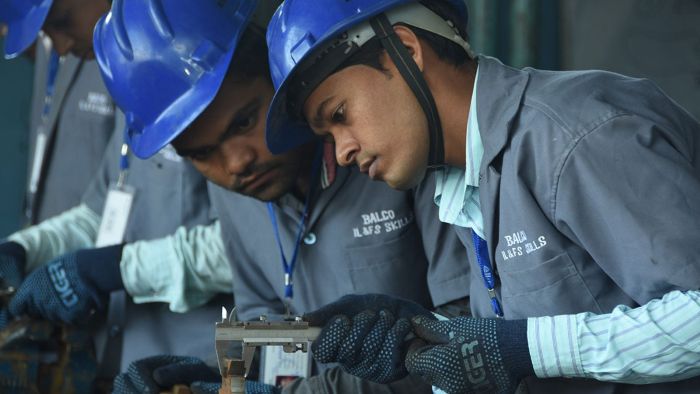
Beyond infrastructure, the strategy places strong emphasis on skills development, technical and vocational training aligned with market demands, and enhanced support for micro, small, and medium-sized enterprises (MSMEs). Women’s economic empowerment is also a central pillar, with the Bank aiming to broaden economic participation and strengthen pathways to employment for marginalized groups. Overall, the 2025–2030 strategy positions Namibia to accelerate inclusive growth, build resilience, and unlock new economic opportunities across sectors.