

(3 Minutes Read)
Analysts say the vote was a close race between Embaló and Fernando Dias da Costa, a little-known 47-year-old backed by former Prime Minister Domingos Simões Pereira, the runner-up in the 2019 presidential election. The winner needs more than 50% of the votes; otherwise, the election will head to a runoff.
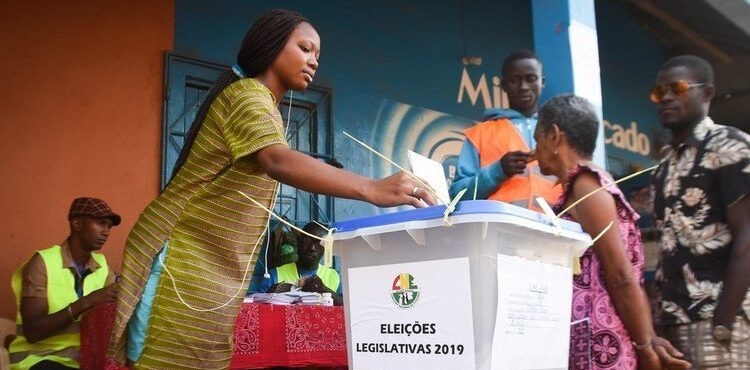
Counting of votes is underway in Guinea-Bissau where voting for presidential and legislative seats took place on Sunday for President Umaro Sissoco Embaló who is seeking a second term in the nation that has endured multiple coups.
The elections have come at a critical time in West African country, where democracy has recently been challenged by disputed elections that analysts say could embolden militaries that have forcefully taken power in several countries.
Analysts say the vote was a close race between Embaló and Fernando Dias da Costa, a little-known 47-year-old backed by former Prime Minister Domingos Simões Pereira, the runner-up in the 2019 presidential election. The winner needs more than 50% of the votes; otherwise, the election will head to a runoff.
The incumbent president, who cast his vote in Gabu, a city located 200 kilometers (124 miles) from the capital, Bissau, urged people to come out and vote. Dias da Costa said his party would not tolerate arrest and suppression of his supporters, accusing Embaló of high-handed tactics, after voting today.
Embaló, a 53-year-old former army general who first came to power in 2021, is backed by a political coalition of more than 20 groups. He is being challenged by 11 other candidates.
Pereira and the main opposition African Party for the Independence of Guinea and Cape Verde, which he leads, were barred from Sunday’s election after authorities said they failed to submit their application early.Nearly half the country’s population of 2.2 million citizens are registered to vote.It is seen as one of the most contentious votes in recent history because of the exclusion of the main opposition party.
Read Also:
Guinea-Bissau is one of the world’s poorest countries, with half its population considered poor, according to the World Bank. It has emerged as a hub for drug trafficking between Latin America and Europe, and has been dogged by coups and attempted coups since its independence from Portugal more than 50 years ago.