


(3 Minutes Read)
The Republic of Hungary has already channeled close to USD 50 million into several strategic sectors in Angola, according to Célio Ginga, chairman of the Angola–Hungary Chamber of Commerce. Ginga shared this update during a visit by a delegation of Hungarian business leaders to Benguela Province in southern Angola.
During his remarks, Ginga emphasized Hungary’s commitment to broadening bilateral economic cooperation. The focus, he said, will be on strengthening collaboration in infrastructure development, industrial growth, transport and logistics, healthcare, pharmaceuticals, agriculture, and tourism—all sectors where Hungary believes it can make meaningful contributions.
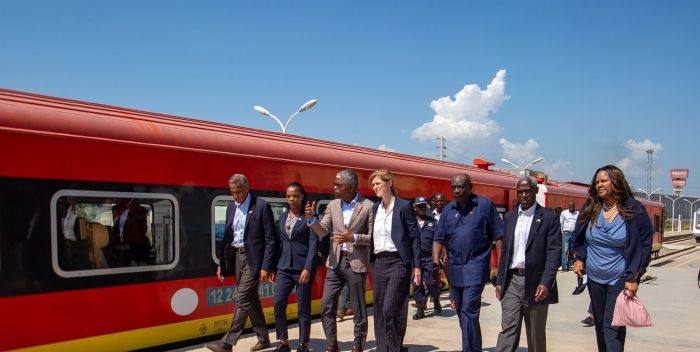
A significant portion of the discussion centered on the Lobito Corridor, which Ginga described as a crucial engine for Angola’s national development. He stressed that the corridor is not only a vital logistics route but also holds the potential to become a major regional hub and an export gateway for Angola.
“The Lobito Corridor is indispensable for stimulating economic growth,” he said, noting its importance both domestically and internationally. Ginga also recalled that Angola and Hungary’s diplomatic and economic relations date back to 1975. He highlighted Hungary’s advanced technological capacities—especially in infrastructure and bridge construction—as assets that Angola can leverage at a time when the country is undergoing accelerated structural development.
“Hungary is one of the European nations with the highest number of bridges,” he noted, adding that its modern equipment and engineering expertise could greatly support Angola’s expansion efforts.
According to Ginga, the Hungarian government has shown remarkable willingness not only to support the development of the Lobito Corridor itself but also to ensure that surrounding communities directly benefit from the investment and economic activities it generates.
Read Also;
https://trendsnafrica.com/angolas-fdi-falls-40-amid-oil-sector-slump-but-non-oil-investments-surge/
Angolan stakeholders also pointed to the prospect of cooperation in education and technical training, particularly in areas considered vital for the country’s development agenda. Meanwhile, Benguela’s provincial governor, Manuel Nunes Júnior, reaffirmed the Angolan government’s commitment to strengthening bilateral ties across multiple fields. He stressed that Benguela remains open to Hungarian investment, given the province’s diverse economic potential. The governor made a special appeal for greater collaboration in the health sector, especially in the local production of medicines—a move he said would reduce Angola’s dependence on imports while boosting employment.