

(3 Minutes Read)
One community in Ghana’s Western North Region has begun to take the fight against galamsey—local shorthand for the English “gather and sell”—into their own hands. A new task force of Jema residents now patrols their forested region to detect illegal activity.
Illegal gold mining is growing in Ghana, one of the world’s top gold producers driven by a weakening economy and high unemployment. Environmental groups maintain that the mining is contaminating rivers and other bodies of water.
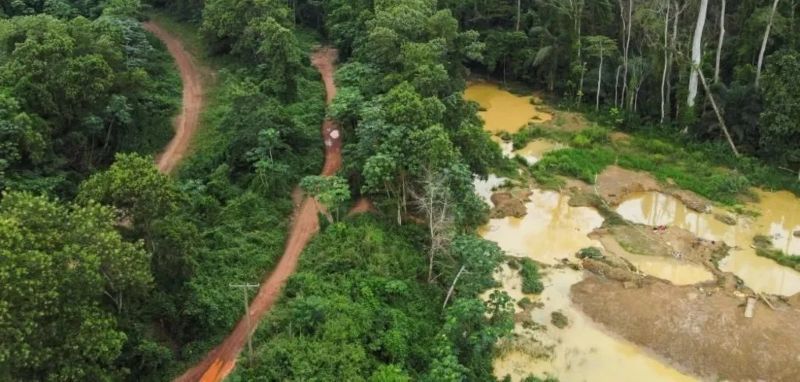
Galamsey, the rampant mining that is practiced around the country, has wreaked havoc on the river, contaminating significant portions with cyanide and mercury. One community in Ghana’s Western North Region has begun to take the fight against galamsey—local shorthand for the English “gather and sell”—into their own hands. A new task force of Jema residents now patrols their forested region to detect illegal activity.
Jema, a community of about 15,000, banned all mining on its land starting in 2015, empowered by a law that grants local chiefs’ powers to make and enforce customary law.
The task force, made up of 14 members, was founded in part with help from local Catholic priest Joseph Kwame Blay. He says that through raising awareness, Jema has built a reputation for its crackdown on galamsey.
The Jema Anti-Galamsey Advocacy (JAGA) task force patrols local waterways in the Jema Forest Reserve, looking for signs of upstream mining activity, like water discoloration and forest clearings. Suspects are apprehended and turned over to police in accordance with laws allowing citizen arrests. The group claims success, pointing to the relatively clean waterways in their 450-square-kilometer (173-square-mile) area. But not all residents support the vigilante approach.
Read Also:
https://trendsnafrica.com/ghanaians-protest-in-demand-to-end-illegal-gold-mining/
Some view illegal mining as one of the few viable economic options amid skyrocketing unemployment and declining agricultural profits.Nearly 39% of youth are out of work, leading many to seek quick income from panning for gold.