

(3 Minutes Read)
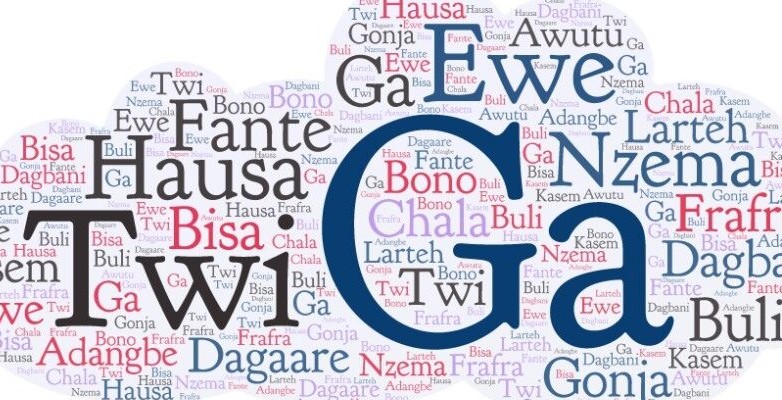
The west African nation is home to more than 70 languages, with about 11 officially recognised for education and broadcasting including Akan (Twi and Fante), Ewe, Ga, Dagbani, Nzema, and Gonja.
The government of Ghana has announced that all teachers must now use local languages as the main medium of instruction at the basic school level.
Education Minister Haruna Iddrisu revealed the new policy on Friday October 24. calling it a decisive step toward improving learning outcomes and protecting Ghana’s cultural identity.
This shift challenges decades of English dominance in Ghana’s education system. The idea behind the policy isn’t new, and already has strong global backing.
Research by UNESCO and the World Bank has long shown that children learn faster and more confidently when taught in their mother tongue, especially during their early years of schooling.
For Ghana’s government, the policy is also about cultural empowerment. After generations of using English, a colonial inheritance, as the language of instruction, officials say it’s time to reconnect education with identity. This idea is also gaining momentum in countries like South Africa, Kenya and Tanzania.
The west African nation is home to more than 70 languages, with about 11 officially recognised for education and broadcasting including Akan (Twi and Fante), Ewe, Ga, Dagbani, Nzema, and Gonja.
Countries like Tanzania and Ethiopia have long promoted mother-tongue education at the primary level, with mixed results.
Read Also:
https://trendsnafrica.com/nigeria-to-promote-local-languages-as-medium-of-instruction/
In Tanzania, Swahili serves as a unifying language that makes the policy easier to implement. But in more linguistically diverse countries like Nigeria, Kenya, and Cameroon, implementation has been challenging.